




 Whitman Expo
-
(1852) Patterns (1852) Values
Greysheet & Red Book® PRICE GUIDE


Sort by
Sponsor

Sponsor

Sponsor

Sponsor

Sponsor

Legal Disclaimer
The prices listed in our database are intended to be used as an indication only. Users are strongly encouraged to seek multiple sources of pricing before making a final determination of value. CDN Publishing is not responsible for typographical or database-related errors. Your use of this site indicates full acceptance of these terms.
The Greysheet Catalog (GSID) of the Patterns (1852) series of Pattern Coinage in the U.S. Coins contains 2 distinct entries with CPG® values between $40,000.00 and $66,000.00.
History and Overview
Beginning in 1849, large quantities of gold bullion from the Californian gold fields reached the East, and many coins were struck from this metal. On the international market, silver became “rare” in relation to gold, and the historic ratio of values was disrupted. In 1851, 1852, and early 1853, federal silver coins disappeared from circulation and went into the hands of speculators, hoarders, and melters, as they were worth more in bullion value than the face value stamped on them. In 1851, the silver three-cent piece or trime reached circulation and was successful, using a new alloy of 75% silver and 25% copper (instead of the regular standard of 90% silver, 10% copper), with a metal value insufficient to attract hoarders. Accordingly, silver three-cent pieces minted during this time remained in circulation.
In 1852, thoughts were given to producing a half dollar in gold, as the gold dollar was very popular and as silver half dollars were not to be found in commerce. A few patterns were produced at the Mint, from combining a blank half dime die with a reverse die of the half dime, striking pieces containing 50 cents’ worth of gold, but with a large perforation in the center to enable the pieces to be of a diameter that would be comfortable to handle. The concept proved unfeasible and was dropped.
Gold dollars were produced in the ring or annular format, also with perforated centers, in an effort to make this coin more easy to use in circulation. An extensive listing of pattern coins exists today from these experiments: rare originals plus elusive restrikes.
In addition, Proof dies of the 1852 Liberty Seated silver dollar were employed to produce restrikes for sale to collectors. Most were made in silver (not listed here), but a few were struck in copper, the latter being J-134.
Collecting Perspective
Collectors focus on 1852 pattern gold dollars of this year, existing in several designs. Gold impressions are known for four different die combinations and are exceedingly rare today. Quite collectible are others, mostly restrikes, in metals and alloys such as copper and copper-nickel. Certain restrikes are from dies that show cracks.
The copper impressions of the 1852 silver dollar are exceedingly rare today and in the same league as the copper impressions of the 1851 Liberty Seated dollar (J-132). These are of primary interest to silver dollar specialists who enjoy having these curious and rare pieces to accompany their silver issues.
See More See Less


 Loading more ...
Legal Disclaimer
The prices listed in our database are intended to be used as an indication only. Users are strongly encouraged to seek multiple sources of pricing before making a final determination of value. CDN Publishing is not responsible for typographical or database-related errors. Your use of this site indicates full acceptance of these terms.
Available on Greysheet Marketplace
View All
Auction Ends: 9/5/2026
Auction Ends: 9/2/2026
Auction Ends: 9/2/2026
Auction Ends: 9/2/2026
Dealer Directory
View All Dealers



Greysheet News
View All News
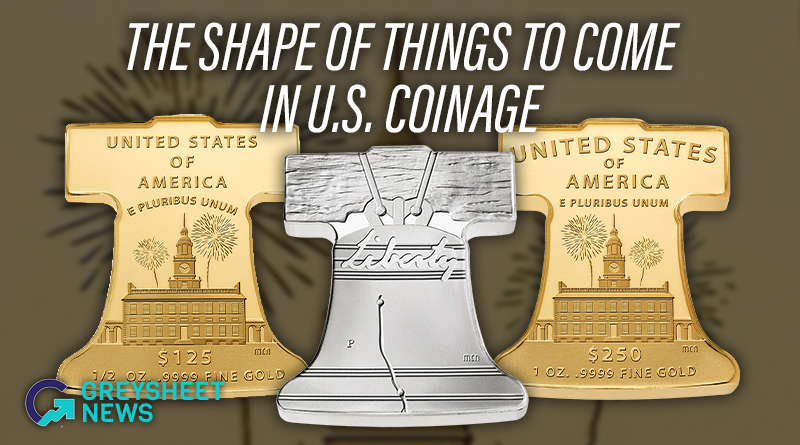
The U.S. Mint is planning to release the first U.S. coinage and medal of a shape other than round.


Numismaster.com ceased operations on July 31, leaving paid digital subscribers scrambling to pursue other options for their numismatic information.
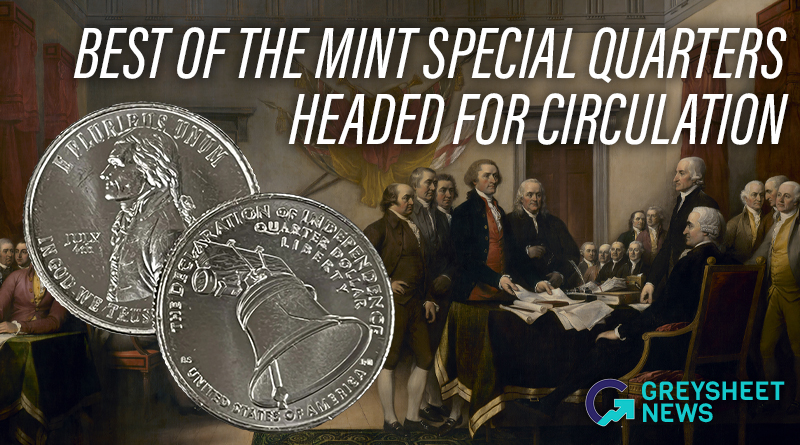
The search is on for special quarter dollars that will be placed in circulation by the United States Mint as part of the nation's Semiquincentennial celebration.
Events
View All Events

Heritage Auctions

Tuesday, June 2, 2026
Heritage Auctions
Tuesday, June 2, 2026
Heritage Auctions
Wednesday, June 3, 2026