



 Whitman Expo



The United States Mint marked the nation's Semiquincentennial on July 4 with a special striking.
Thank you to our sponsors!
Go check them out!









Original Packaging: Each coin was encased in an acrylic capsule, and these were inserted into a wallet-like display case. This consisted of a blue panel holding the individual capsules, the panel being hinged at its top to permit viewing of both sides of the coins. The panel was attached to the inside of a wallet that folded over to protect the coins. The inside cover of the wallet, opposite the blue panel, was a vibrant red and featured a diagonal ribbon of red, white, and blue stripes. Printed in silver script on this inside cover were the words “United States Bicentennial Silver Proof Set.” The outside cover was blue, and it bore the dates 1776–1976 encircled by thirteen stars, all printed in gold ink.
Commentary: The silver clad composition, used for the half dollars of 1965 to 1970 and the collector-edition dollars since 1971, was extended to the three Bicentennial issues. These three-coin sets were sold separately from the regular Proof sets of 1975 and 1976, which included copper-nickel clad Proofs of the quarter, half dollar, and dollar. Initially priced at $15 per set, this price was soon lowered to $12, and rebates were issued to those who had paid the higher figure.
The attractive packaging of this set went a long way toward enhancing sales, and the ordering period lasted many years. The runaway speculation in silver prices that occurred during 1979 and 1980 caused the Mint to suspend sales during this period, but they later resumed and lasted through 1982.
Because silver is a naturally more brilliant metal than the copper-nickel alloy used for the regular Proofs, the mirror finish on these coins is quite a bit more pleasing. This enhances the contrast with the coins’ typically frosted devices, so cameo and ultra cameo pieces are readily available. Being a softer alloy, too, the silver clad Proofs were less destructive to dies, which retained their frosting longer. A rare and possibly unique trial striking of the 1976 silver Proof dollar is known without the S mintmark. Presumably, this was coined at the Philadelphia Mint before the dies were shipped west. No documentation exists to account for this coin, though the coin does certainly exist. This author examined it in 1995, and there was no evidence of alteration.
Source: Whitman
Catalog Information
GSID:
10989
Fineness:
0.4
Precious Metal Weight:
0.5379 oz
Strike Type:
Proof
Edge:
Reeded
Variety:
Silver Proof Set
Variety 2:
3 Coins
Coin Date:
1976-S
Denomination:
25c, 50c, $1
Designation:
PR
Mint Location:
San Francisco
Mint Mark:
S
Mintage:
3,998,621
Coinage Type:
Proof Set
Coinage Years:
1936-
Composition:
Silver
PCGS #:
914789
Send Catalog Feedback
To: editor@greysheet.com
Subject: I would like to contribute catalog info to CDN for 1976-S 25c, 50c, $1 Silver Proof Set, 3 Coins PR
Body: Referring page: http://beta.greysheet.com/prices/item/1976-3-piece-silver-united-states-proof-set-25c-3-coins/gsid/10989 GSID: 10989 Title: 1976-S 25c, 50c, $1 Silver Proof Set, 3 Coins PR
Subscribe to View
View more data, info, and visualizations. Get access to retail and wholesale pricing as well as auction data.
Coin Value History
1976-S 25c, 50c, $1 Silver Proof Set, 3 Coins PR
Currency
Grade Range
Sort by
Pricing
Values
Greysheet & CPG® Values
1936 1c-50c Proof Set, Brilliant Finish, 5 Coins PR

Worth: $5,600 – $5,600
1936 1c-50c Proof Set, Satin Finish, 5 Coins PR

Worth: $5,200 – $5,200
1937 1c-50c Proof Set, 5 Coins PR

Worth: $2,365 – $2,365
1938 1c-50c Proof Set, 5 Coins PR

Worth: $980 – $980
1939 1c-50c Proof Set, Reverse of 1938 Nickel, 5 Coins PR

Worth: $920 – $920
1939 1c-50c Proof Set, Reverse of 1940 Nickel, 5 Coins PR

1940 1c-50c Proof Set, Reverse of 1940 Nickel, 5 Coins PR

Worth: $770 – $770
1940 1c-50c Proof Set, Reverse of 1938 Nickel, 5 Coins PR
1941 1c-50c Proof Set, 5 Coins PR

Worth: $735 – $735
1942 1c-50c Proof Set, 5 Coins PR

Worth: $700 – $700
1942 1c-50c Proof Set, 6 Coins PR

Worth: $800 – $800
1950 1c-50c Proof Set, 5 Coins PR

Worth: $625 – $625
1951 1c-50c Proof Set, 5 Coins PR

Worth: $500 – $500
1952 1c-50c Proof Set, 5 Coins PR

Worth: $235 – $235
1953 1c-50c Proof Set, 5 Coins PR

Worth: $195 – $195
Greysheet News
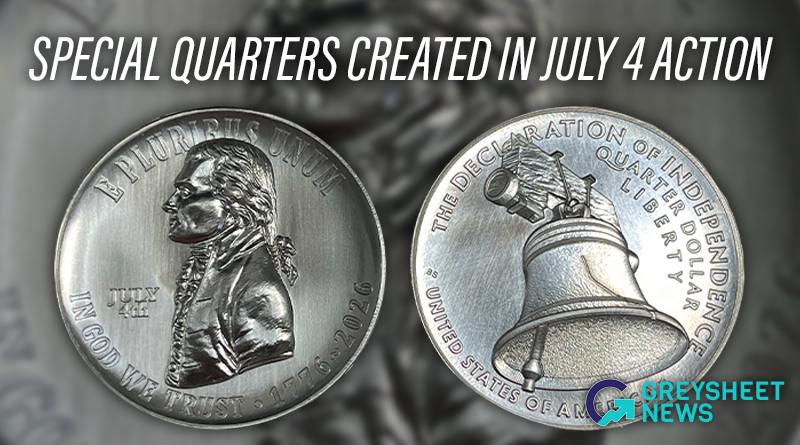
Special Quarters Created in July 4 Action
9/8/2026
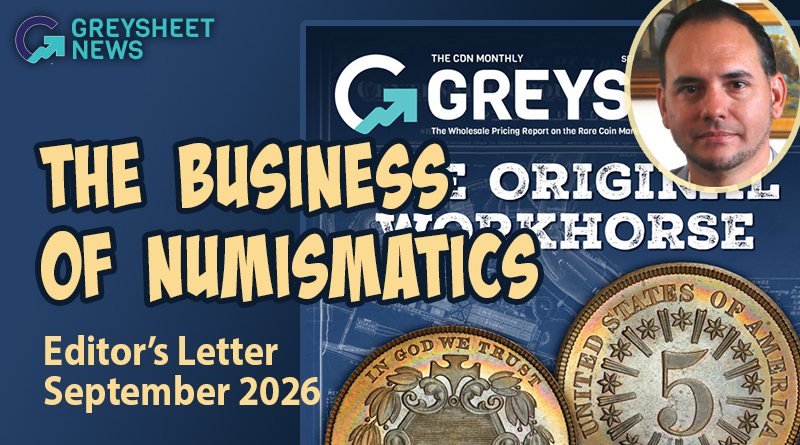
The Business of Numismatics: September 2026 Greysheet Editor's Letter
Outside of the direct trading of coins, our industry has seen some shake up recently on the data and information front.
9/7/2026
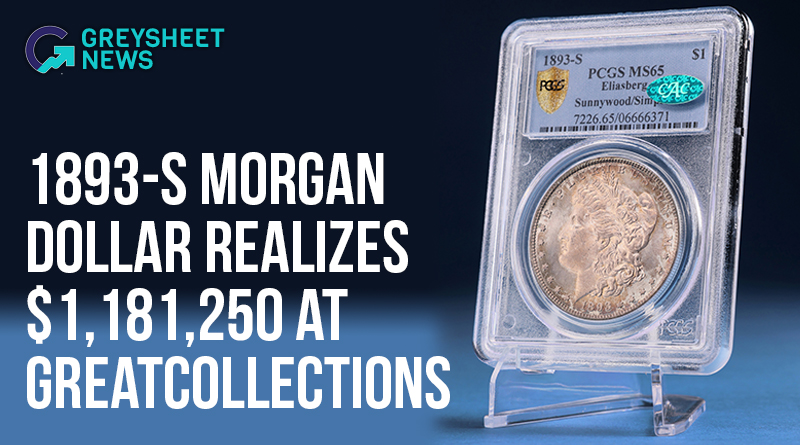
1893-S Morgan Dollar Realizes $1,181,250 at GreatCollections
Brings More Than 50% Over PCGS Price Guide — a Record for the Date in Gem Mint State.
9/4/2026
Events
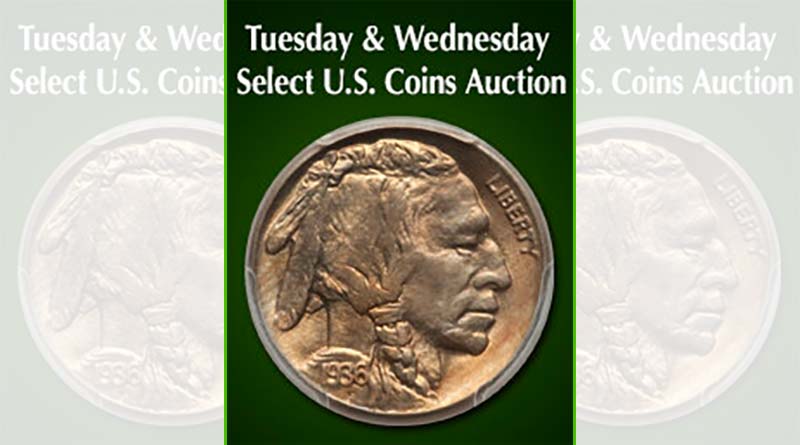
Heritage Auctions: US Coins Tuesday & Wednesday Select Auction
Location: Heritage Auctions
Wednesday, July 1, 2026
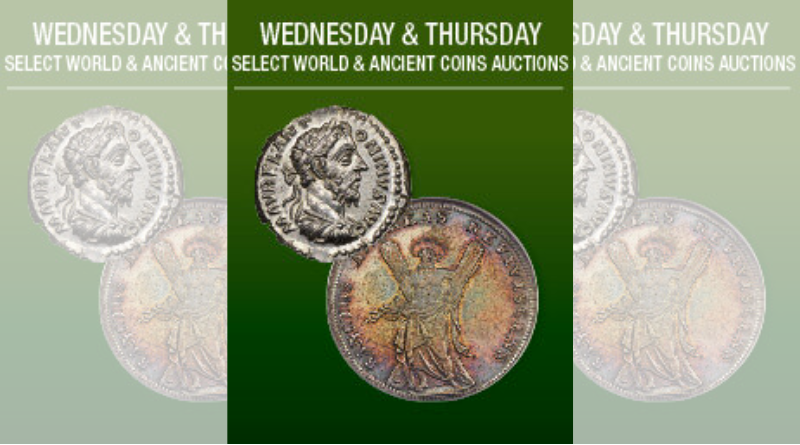
Heritage Auctions: World & Ancient Coins Wednesday & Thursday Select Auction
Location: Heritage Auctions
Thursday, July 2, 2026