




 Whitman Expo
-
Massachusetts: New England (1652) Values
Greysheet & Red Book® PRICE GUIDE
Sort by
Sponsor

Sponsor
Sponsor

Sponsor

Sponsor

Legal Disclaimer
The prices listed in our database are intended to be used as an indication only. Users are strongly encouraged to seek multiple sources of pricing before making a final determination of value. CDN Publishing is not responsible for typographical or database-related errors. Your use of this site indicates full acceptance of these terms.
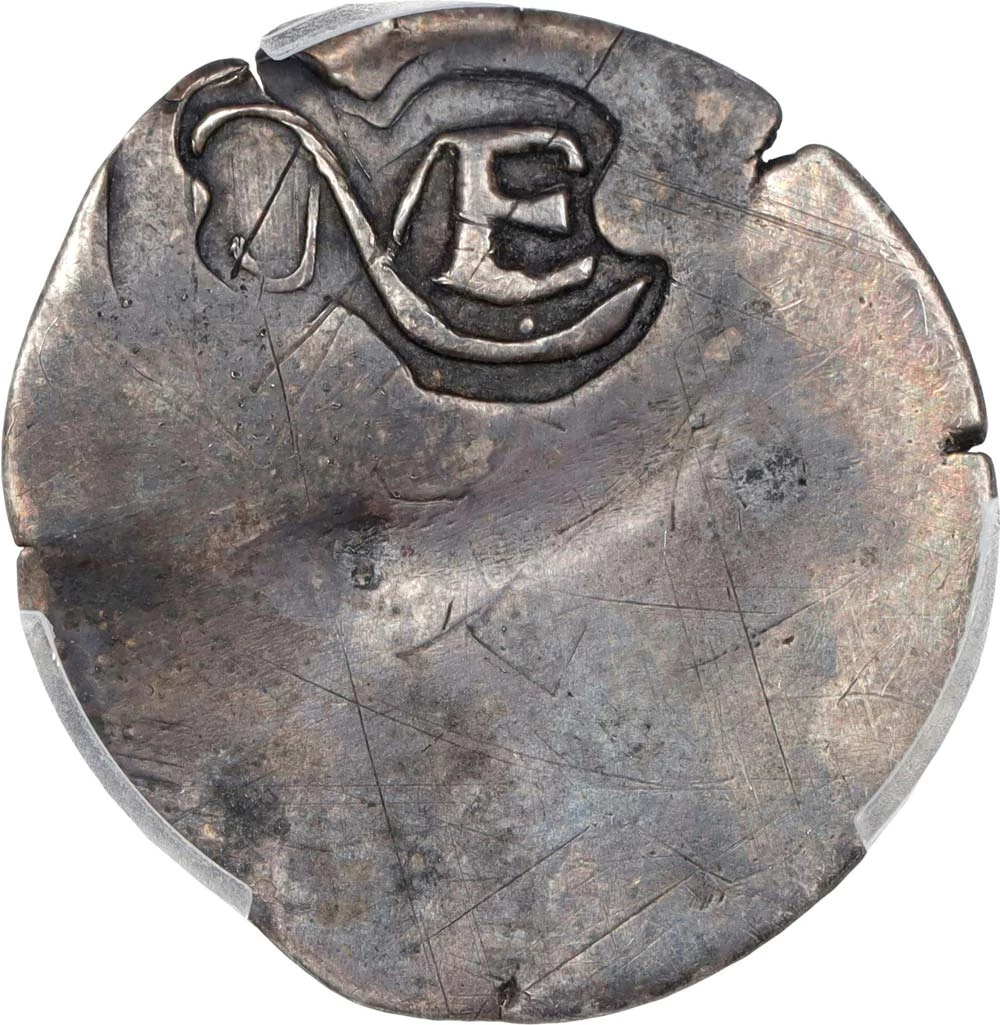
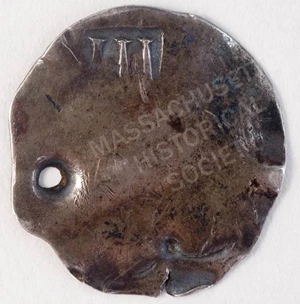
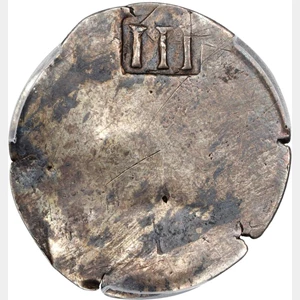
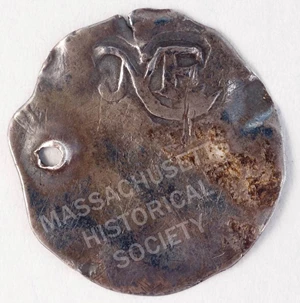
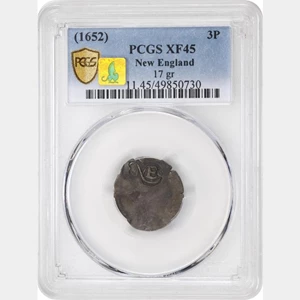
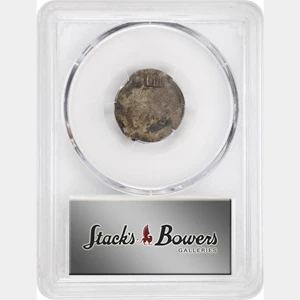
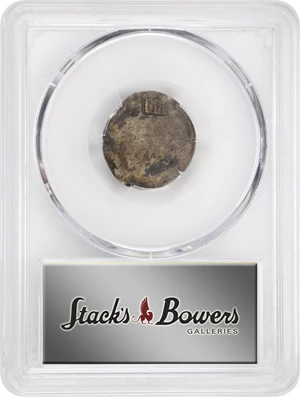
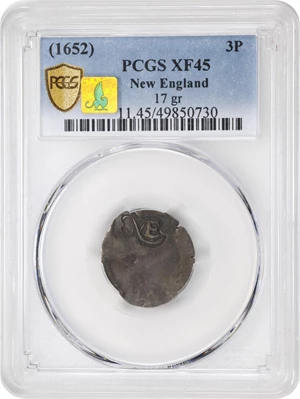
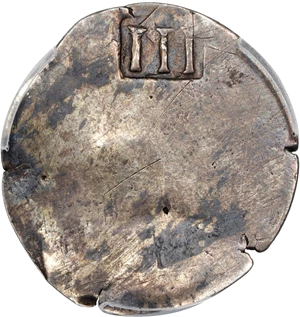
The Greysheet Catalog (GSID) of the Massachusetts: New England (1652) series of Colonial & Post-Colonial Issues in the U.S. Coins contains 29 distinct entries with CPG® values between $900.00 and $2,500,000.00.
The earliest authorized medium of exchange in the New England settlements was wampum. The General Court of Massachusetts in 1637 ordered "that wampamege should passe at 6 a penny for any sume under 12 d." Wampum consisted of shells of various colors, ground to the size of kernels of corn. A hole was drilled through each piece so it could be strung on a leather thong for convenience and adornment. Corn, pelts, and bullets were frequently used in lieu of coins, which were rarely available. Silver and gold coins brought over from England, Holland, and other countries tended to flow back across the Atlantic to purchase needed supplies. The colonists, thus left to their own resources, traded with the friendly Native Americans in kind. In 1661 the law making wampum legal tender was repealed. Agitation for a standard coinage reached its height in 1651. England, recovering from a civil war between the Puritans and Royalists, ignored the colonists, who took matters into their own hands in 1652. The Massachusetts General Court in 1652 ordered the first metallic currency—the New England silver threepence, sixpence, and shilling—to be struck in the English Americas (the Spaniards had established a mint in Mexico City in 1535). Silver bullion was procured principally from the West Indies. The mint was located in Boston, and John Hull was appointed mintmaster; his assistant was Robert Sanderson (or Saunderson). At first, Hull received as compensation one shilling threepence for every 20 shillings coined. This fee was adjusted several times during his term as mintmaster.
See More See Less


Sponsor


 Loading more ...
Legal Disclaimer
The prices listed in our database are intended to be used as an indication only. Users are strongly encouraged to seek multiple sources of pricing before making a final determination of value. CDN Publishing is not responsible for typographical or database-related errors. Your use of this site indicates full acceptance of these terms.
Available on Greysheet Marketplace
View All

Buy Now: $750.00

Buy Now: $3,300.00

Buy Now: $1,750.00

Buy Now: $4,950.00
Dealer Directory
View All Dealers



Greysheet News
View All News
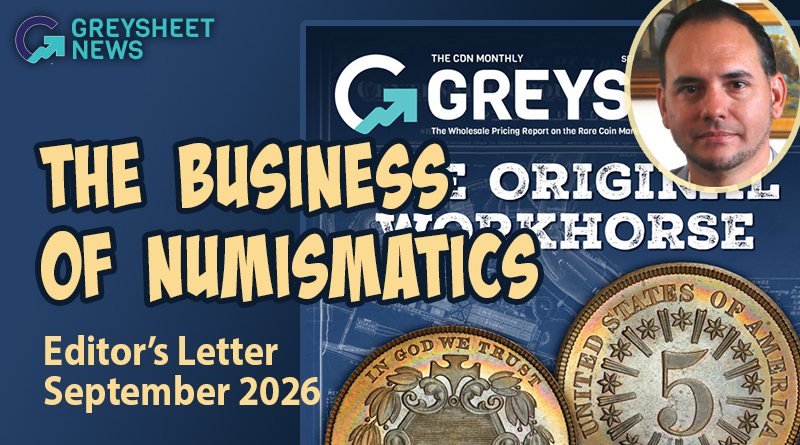
Outside of the direct trading of coins, our industry has seen some shake up recently on the data and information front.

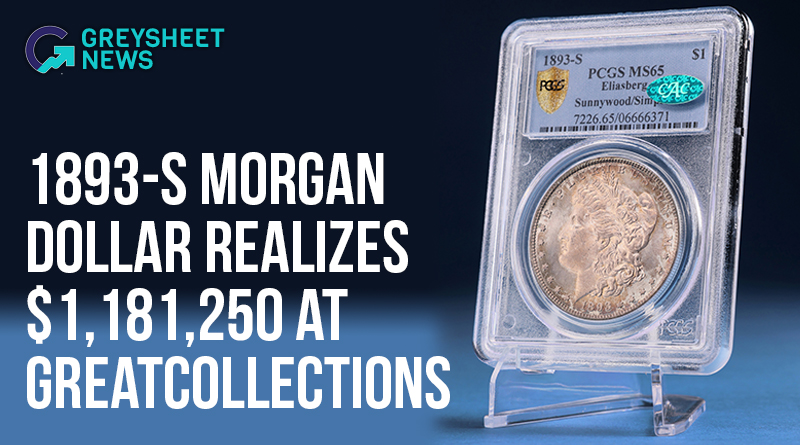
Brings More Than 50% Over PCGS Price Guide — a Record for the Date in Gem Mint State.
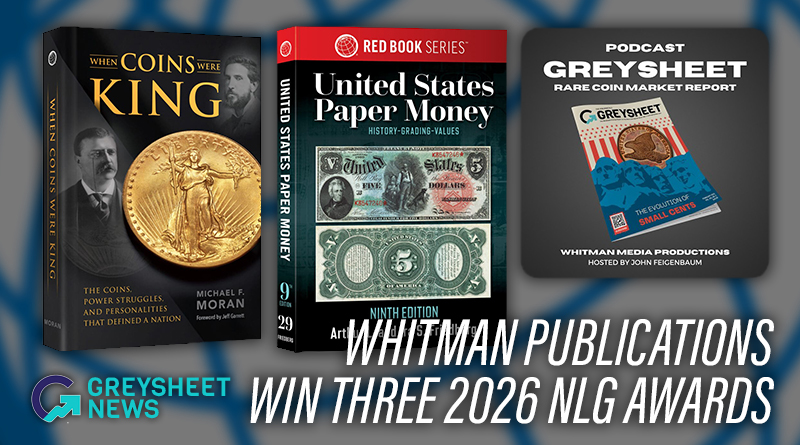
Whitman Brands walked away with a trio of honors during the annual Numismatic Literary Guild awards, held during the American Numismatic Association World's Fair of Money in Pittsburgh.
Events
View All Events

Heritage Auctions

Wednesday, July 1, 2026
Thursday, July 2, 2026

DAVID LAWRENCE RARE COINS
Sunday, July 5, 2026