




 Whitman Expo
-
Series of July 12, 1709
Greensheet & Friedberg® Price Guide
.jpg?MaxWidth=300&Mode=Pad&Scale=UpscaleCanvas&format=webp)
.jpg?MaxWidth=1024Mode=Pad&Scale=UpscaleCanvas&format=webp)
Sort by
Sponsor

Sponsor

Sponsor

Sponsor

Sponsor

Legal Disclaimer
The prices listed in our database are intended to be used as an indication only. Users are strongly encouraged to seek multiple sources of pricing before making a final determination of value. CDN Publishing is not responsible for typographical or database-related errors. Your use of this site indicates full acceptance of these terms.
The Greysheet Catalog (GSID) of the Series of July 12, 1709 series of Connecticut Colonial Currency in the U.S. Currency contains 32 distinct entries with CPG® values between $6,000.00 and $15,000.00.
£24,000 (£8,000, £11,000, and £5,000) in indented Bills of Credit issued pursuant to the May 1709, Oct. 1709 and Oct. 1710 Acts to pay for an aborted expedition against Canada. These were receivable for taxes at 5% advance, but not legal tender. Engraved on two copper plates by Jeremiah Dummer of Boston, the four highest denominations being on the “large” or “great plate” and the lowest four being on the “small plate.” Colony Arms contain the motto SUSTINET QUI TRANSTULIT (He who transplants sustains himself). The Arms are surrounded by frames, having a different shape for each denomination. The back contains an engraved scroll from the identical back plate used for contemporaneous issues of Massachusetts Bay. Signers were John Chester, John Eliot, John Haynes, Caleb Stanly, and Joseph Tallcott.
See More See Less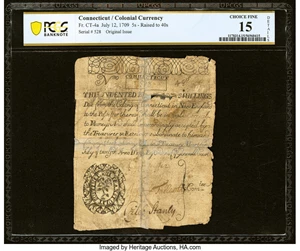


Sponsor
Sponsor
 Loading more ...
Legal Disclaimer
The prices listed in our database are intended to be used as an indication only. Users are strongly encouraged to seek multiple sources of pricing before making a final determination of value. CDN Publishing is not responsible for typographical or database-related errors. Your use of this site indicates full acceptance of these terms.
Available on Greysheet Marketplace
View All

Buy Now: $4,500.00
Auction Ends: 9/1/2026
Auction Ends: 9/1/2026
Auction Ends: 9/1/2026
Dealer Directory
View All Dealers



Greysheet News
View All News
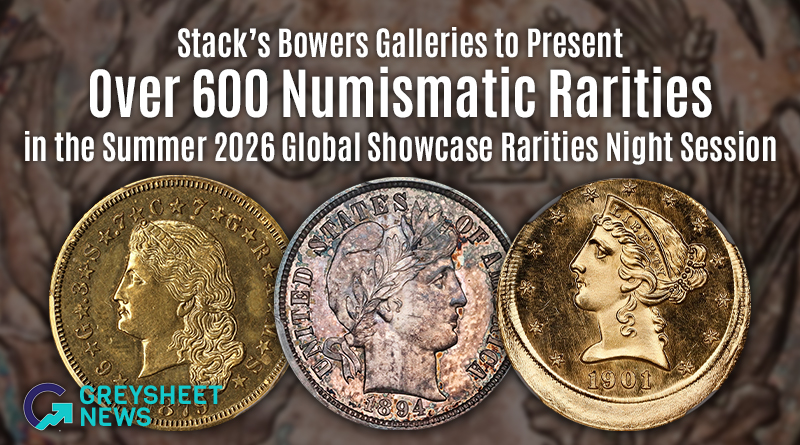
Rarities across the spectrum of American coinage are set to cross the auction block.

eBay, one of the world's largest marketplaces for unique and historic coins, today announced the expansion of Authenticity Guarantee in the U.S. to a new category: collectible coins.
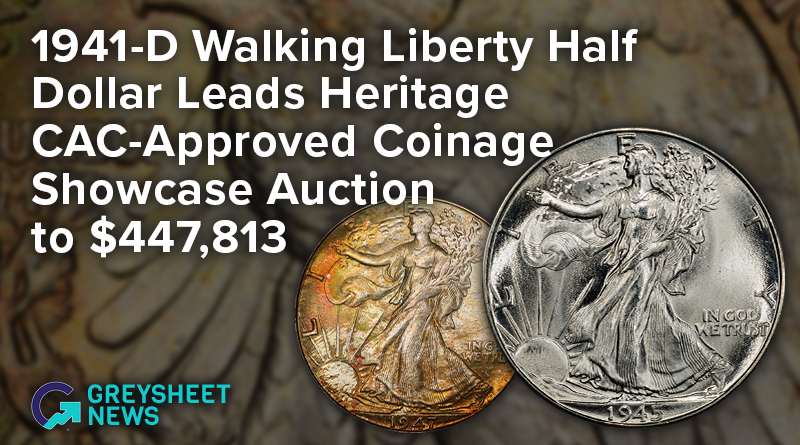
CAC-approved Walking Liberty half dollars claim three of the auction's top four results.
Events
View All Events
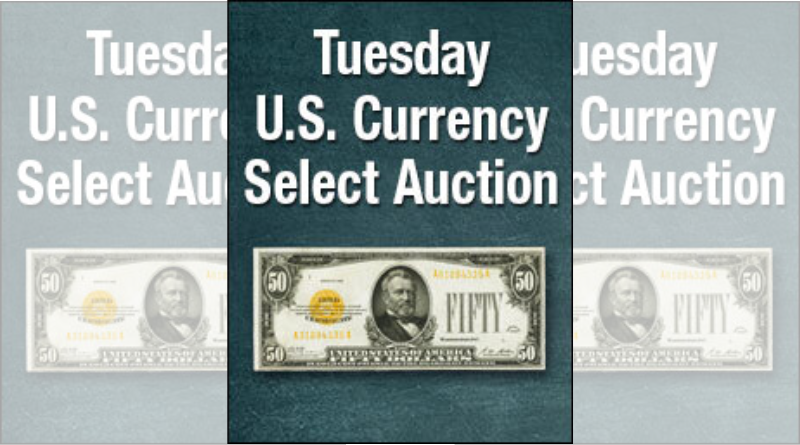

Heritage Auctions

Tuesday, June 2, 2026
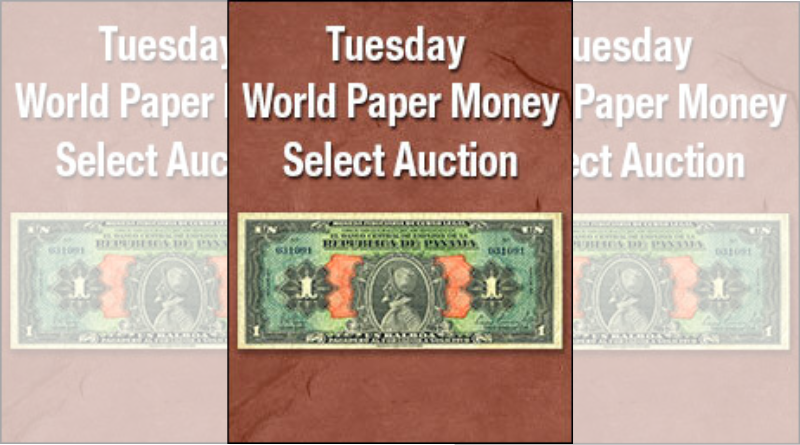
Heritage Auctions
Tuesday, June 2, 2026
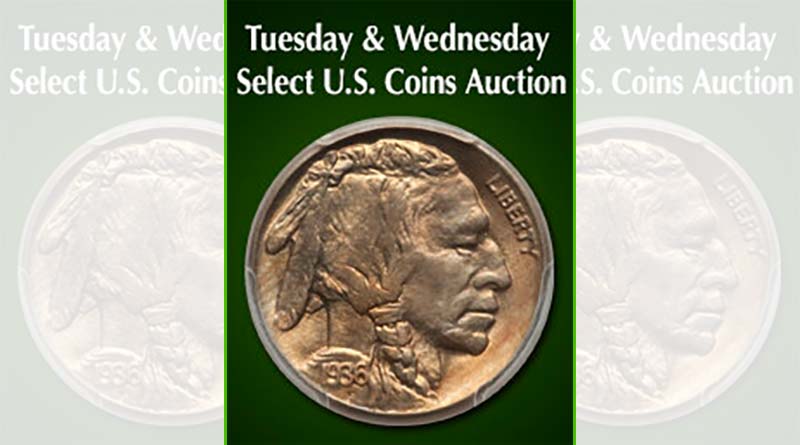
Heritage Auctions
Wednesday, June 3, 2026