




 Whitman Expo
-
1950 Lincoln Cents - Wheat Reverse Values
Greysheet & Red Book® PRICE GUIDE

Sort by
Sponsor

Sponsor
Sponsor

Sponsor
Sponsor

Legal Disclaimer
The prices listed in our database are intended to be used as an indication only. Users are strongly encouraged to seek multiple sources of pricing before making a final determination of value. CDN Publishing is not responsible for typographical or database-related errors. Your use of this site indicates full acceptance of these terms.
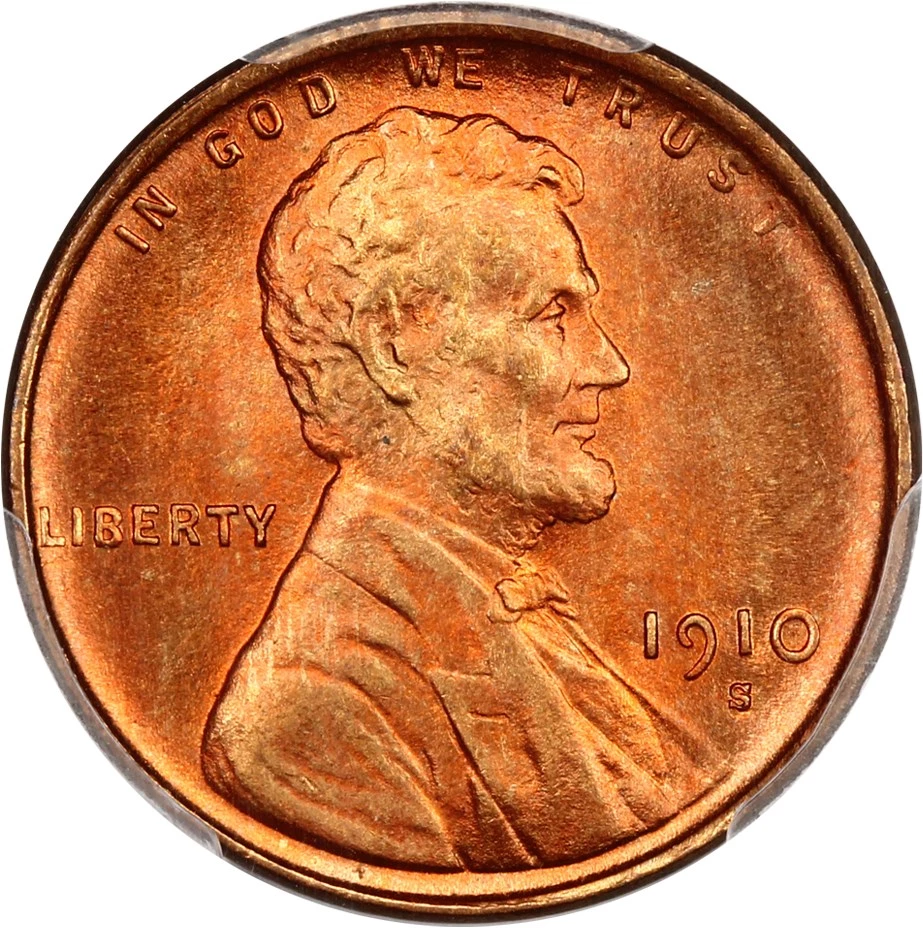
The Greysheet Catalog (GSID) of the Lincoln Cents - Wheat Reverse (1909–1958) series of Small Cents in the U.S. Coins contains 12 distinct entries with CPG® values between $0.06 and $22,000.00.
Lincoln wheat cents are among the most widely popular United States coins. Having been minted from 1909 through 1958, Lincoln wheat cents span a full half century. The Lincoln wheat cent was designed by sculptor-engraver Victor David Brenner, whose "VDB" initials infamously appear on the reverse of the very first Lincoln cents struck in 1909. Later in the year his initials were removed due to many in the public criticizing the relatively prominent "VDB" at the bottom center reverse along the rim, but in 1918 his initials were restored and they have appeared in very small font under Lincoln’s shoulder on the obverse ever since. The last of the Lincoln wheat reverse cents was struck in 1958.
While Lincoln wheat cents are generally regarded as a common series and still appear occasionally in circulation, they are nonetheless an obsolete series that does boast some real key and semi-key dates. Perhaps the most notable of these is the 1909-S VDB cent, which is the lowest-mintage regular-issue issue in the series. Some 484,000 were struck, and it is estimated that perhaps 20,000 survive. While the 1909-S VDB is not necessarily a rare coin in the absolute sense, it is one of the most well-known scare coins around and is famous well beyond numismatic circles. Other scarce regular-issue entries in the Lincoln wheat series include the 1911-S, 1914-D, 1924-D, and 1931-S. Among the rare varieties are the 1922 no-D, 1943 bronze, and 1944 steel cent. Meanwhile, the 1955 doubled die is widely considered the most popular of all United States die varieties and enjoys perennially solid demand.
See More See Less









 Loading more ...
Legal Disclaimer
The prices listed in our database are intended to be used as an indication only. Users are strongly encouraged to seek multiple sources of pricing before making a final determination of value. CDN Publishing is not responsible for typographical or database-related errors. Your use of this site indicates full acceptance of these terms.
Available on Greysheet Marketplace
View All

Buy Now: $850.00
Auction Ends: 9/5/2026
Auction Ends: 8/18/2026
Auction Ends: 8/31/2026
Dealer Directory
View All Dealers



Greysheet News
View All News
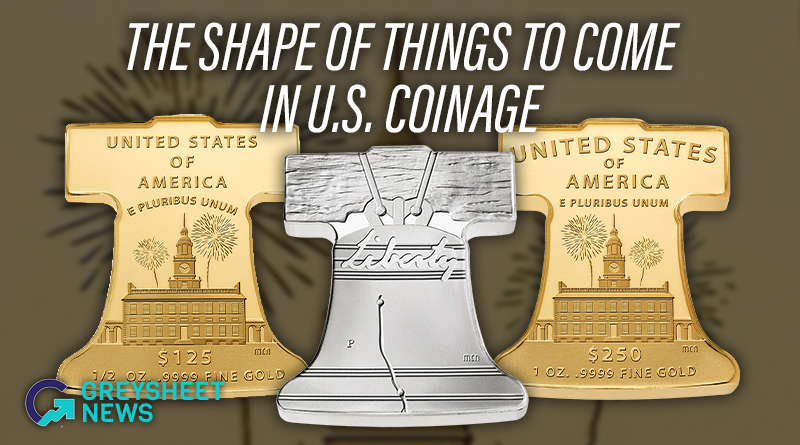
The U.S. Mint is planning to release the first U.S. coinage and medal of a shape other than round.

Numismaster.com ceased operations on July 31, leaving paid digital subscribers scrambling to pursue other options for their numismatic information.
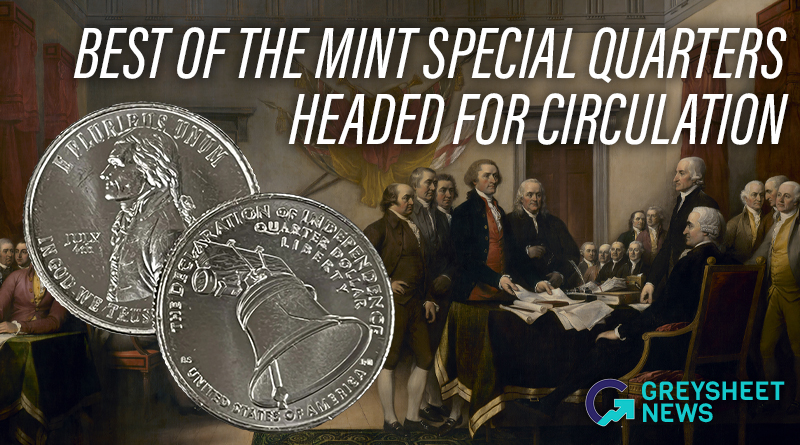
The search is on for special quarter dollars that will be placed in circulation by the United States Mint as part of the nation's Semiquincentennial celebration.
Events
View All Events

Heritage Auctions

Tuesday, June 2, 2026
Heritage Auctions
Tuesday, June 2, 2026
Heritage Auctions
Wednesday, June 3, 2026