




 Whitman Expo
-
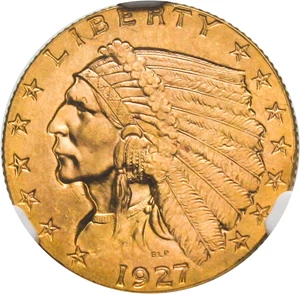
1927 $2.50 Indian Gold Values
Greysheet & Red Book® PRICE GUIDE

Sort by
Sponsor

Sponsor

Sponsor

Sponsor
Sponsor

Legal Disclaimer
The prices listed in our database are intended to be used as an indication only. Users are strongly encouraged to seek multiple sources of pricing before making a final determination of value. CDN Publishing is not responsible for typographical or database-related errors. Your use of this site indicates full acceptance of these terms.
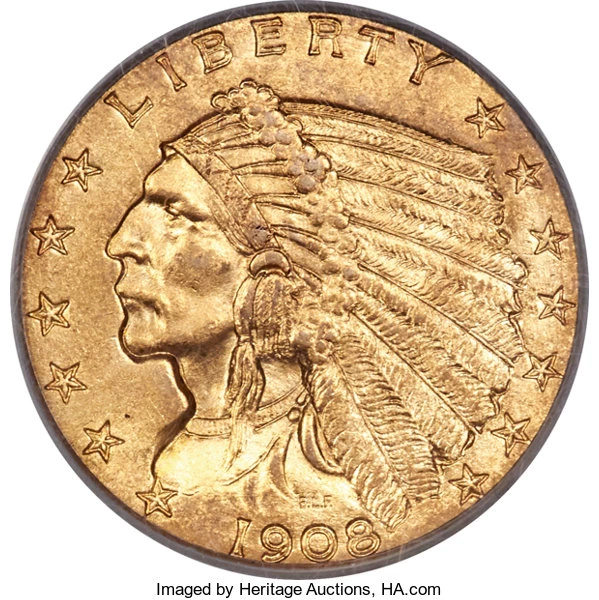
The Greysheet Catalog (GSID) of the $2.50 Indian Gold (1908–1929) series of Pre-1933 Gold Coinage in the U.S. Coins contains 1 distinct entries with CPG® values between $601.63 and $19,000.00.
The Quarter Eagle denomination of the early 20th century Gold
Indian design is by far the most popular among collectors. Just like the
Indian Half Eagles though, they have that unique characteristic of raised
fields and sunken in devices. This makes these coins stick out from mostly
any other American numismatic series but also makes grading extremely
difficult since the fields wear first. Theodore Roosevelt famously hired
Augustus Saint-Gaudens to improve the beauty of the double eagle but the
smaller denomination gold coinage designed by Bela Lyon Pratt was not
widely accepted. The odd recessed design and replacement of lady liberty
with an "Indian" was looked upon very negatively. A century or so later
these coins are now highly prized and accepted for these same reasons. It
is a short series as there were gaps in production plus the permanent
stoppage for all gold coins in 1933. That along with a range of dates from
very common to super key makes this a fun series to collect. The modern
drawbacks for the series are the fact that they are small and have raised
fields so grading ability and diagnostic knowledge of each issue is a
necessity. No American coin is more difficult to grade since the devices
can be pristine but if there is wear on in the fields the value and grade
drops quickly. It does create a fine opportunity though for those who
develop a keen eye for these coins as they automatically catapult
themselves to the forefront of this numismatic sector. More on the unique
design is how this coin was the first depiction of American Indians to
appear as they actually looked. The even more famous and collectible Indian
Head Cents just displayed lady liberty dressed as a native woman. Just as
much as any coin especially gold ones these coins are heavily counterfeited
and altered in which you must be very careful buying them raw. Lookout for
added mintmarks and pay close attention on the Indian’s neck between the
hair and feathers. Any odd depressions or markings in this area is a tell
tale sign. Overall it is a very desirable, short and challenging series.
See More See Less


 Loading more ...
Legal Disclaimer
The prices listed in our database are intended to be used as an indication only. Users are strongly encouraged to seek multiple sources of pricing before making a final determination of value. CDN Publishing is not responsible for typographical or database-related errors. Your use of this site indicates full acceptance of these terms.
Available on Greysheet Marketplace
View All

Buy Now: $1,200.00

Buy Now: $17,900.00

Buy Now: $8,950.00

Buy Now: $27,500.00
Dealer Directory
View All Dealers





Greysheet News
View All News
Outside of the direct trading of coins, our industry has seen some shake up recently on the data and information front.

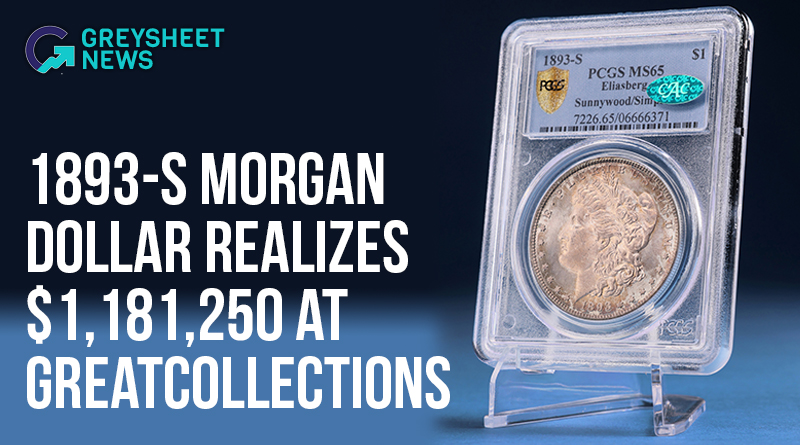
Brings More Than 50% Over PCGS Price Guide — a Record for the Date in Gem Mint State.
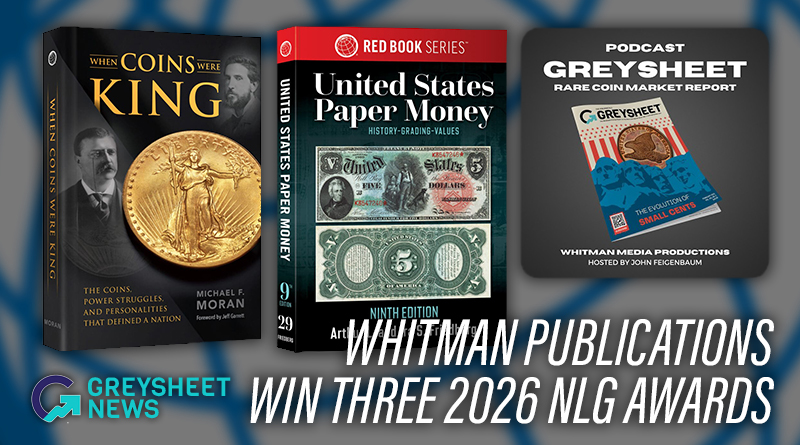
Whitman Brands walked away with a trio of honors during the annual Numismatic Literary Guild awards, held during the American Numismatic Association World's Fair of Money in Pittsburgh.
Events
View All Events
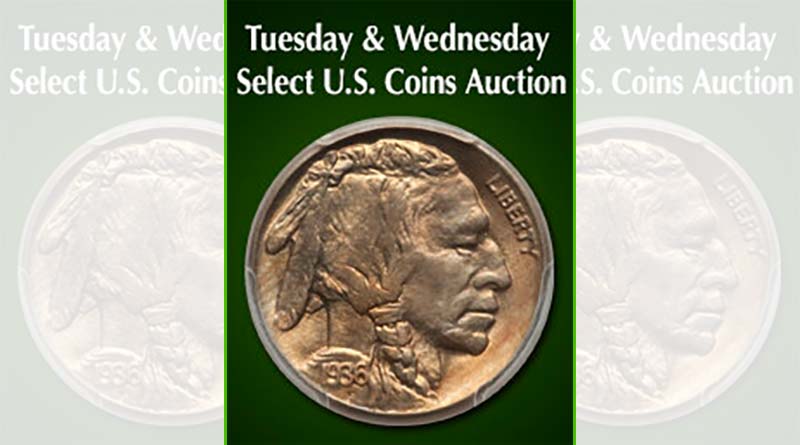

Heritage Auctions

Wednesday, July 1, 2026
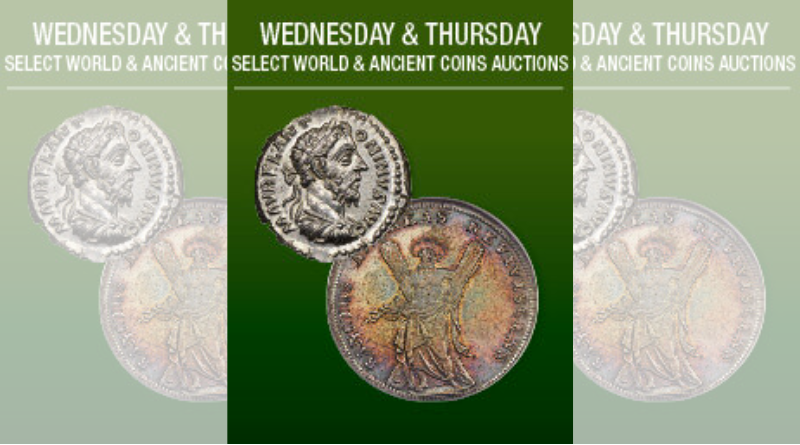
Thursday, July 2, 2026
DAVID LAWRENCE RARE COINS
Sunday, July 5, 2026