




 Whitman Expo
-
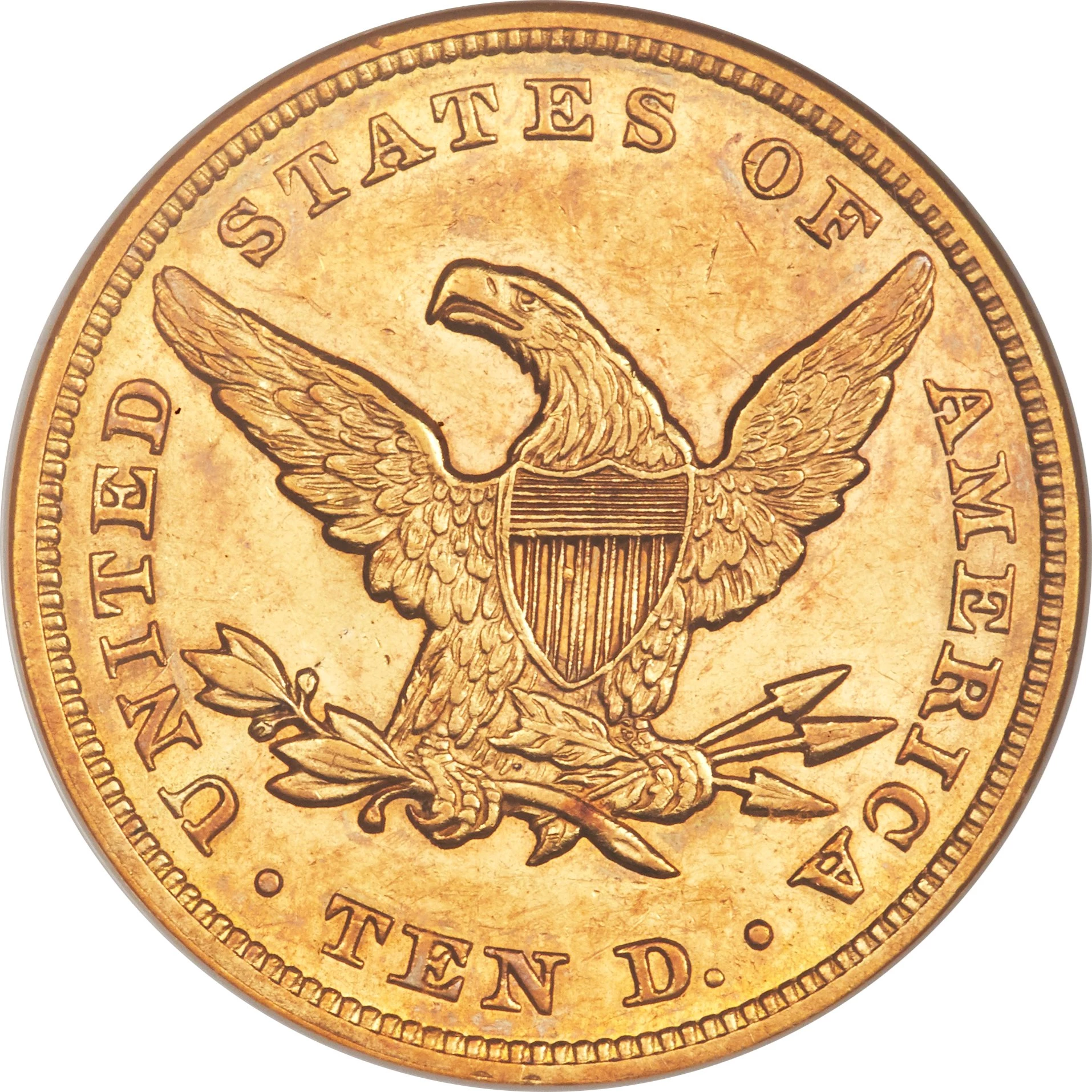
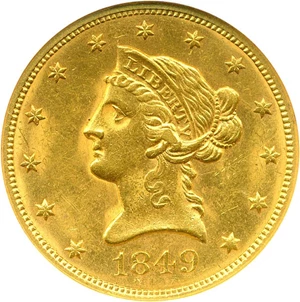
1849 $10 Liberty Gold – No Motto Values
Greysheet & Red Book® PRICE GUIDE

Sort by
Sponsor

Sponsor

Sponsor
Sponsor

Sponsor

Legal Disclaimer
The prices listed in our database are intended to be used as an indication only. Users are strongly encouraged to seek multiple sources of pricing before making a final determination of value. CDN Publishing is not responsible for typographical or database-related errors. Your use of this site indicates full acceptance of these terms.
The Greysheet Catalog (GSID) of the $10 Liberty Gold – No Motto (1838–1866) series of Pre-1933 Gold Coinage in the U.S. Coins contains 3 distinct entries with CPG® values between $2,152.63 and $45,600.00.
The Gold Dollar denomination was struck from 1849 to 1889 and over that 40 year period we saw 3 different design types produced. This denomination also happened to be the smallest piece of gold coinage in size ever created by the U.S. Mint. The Coinage Act of 1849 included production of the popularly known Double Eagle but also the Gold Dollars. The reason for this act that resulted in the minting of these new gold coins was the famous California gold rush. The U.S. government felt why not use this newly found gold as currency. This new Gold Dollar was designed by James B. Longacre and then struck and distributed out of five different mints. These mints include Philadelphia San Francisco, New Orleans and the lesser known and short lived gold-only mints of Charlotte and Dahlonega. Just as the public would complain of large coins being too heavy and difficult to carry around, they also found fault with small coinage as well. The major reason for design changes for the Gold Dollar denomination was the complaint that their minimal stature caused many people to mishandle them or simply misplace them all together. Contrary to that, many collectors today find the acquisition of or dealing in Gold Dollars to be quite fun. They are small, beautifully designed coins that a worn, raw, common example can be found for just a few hundred dollars but most methods of collecting, investing and dealing can be extremely costly. Basically all C and D minted Gold Dollars are rarities as well as the 1875 Philadelphia and of course all proofs produced in Philly as well. As one would expect, Mint State pieces are very scarce and valuable but it is important to note that later issues are far more common and type collector friendly than earlier dates. Collectors should look for premium luster, original yellow-gold coloration and absolutely no signs of damage such as scratches or even pieces that have been removed from jewelry.
See More See Less




 Loading more ...
Legal Disclaimer
The prices listed in our database are intended to be used as an indication only. Users are strongly encouraged to seek multiple sources of pricing before making a final determination of value. CDN Publishing is not responsible for typographical or database-related errors. Your use of this site indicates full acceptance of these terms.
Available on Greysheet Marketplace
View All

Buy Now: $18,500.00

Buy Now: $75,000.00

Buy Now: $10,900.00

Buy Now: $21,500.00
Dealer Directory
View All Dealers

Monticello Rare Coins
FEATURED


Stack’s Bowers Galleries
FEATURED
Greysheet News
View All News
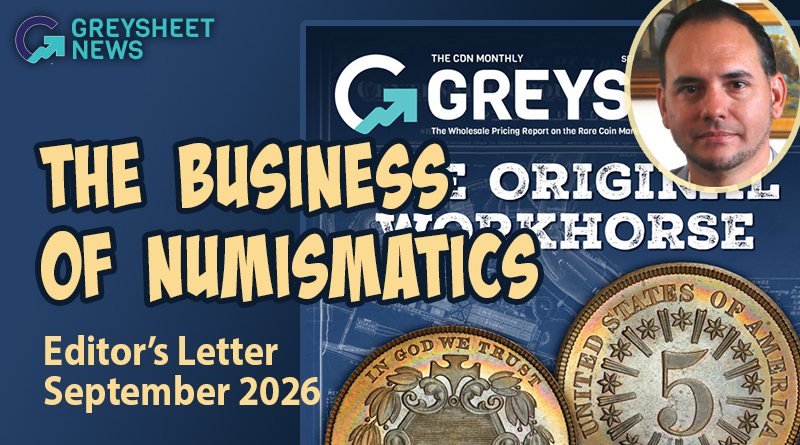
Outside of the direct trading of coins, our industry has seen some shake up recently on the data and information front.

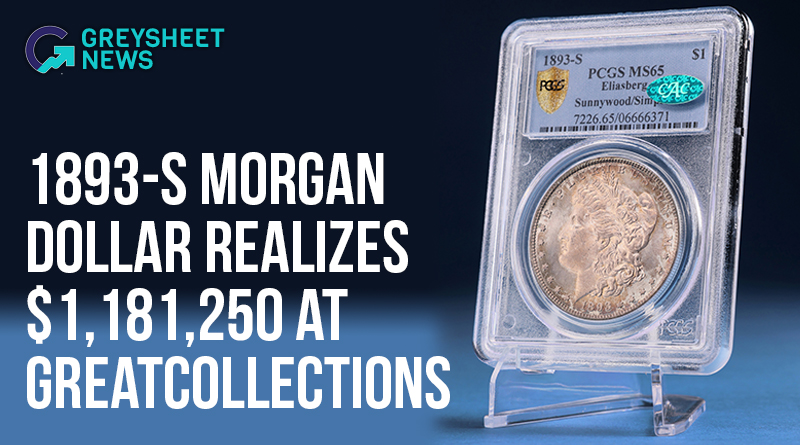
Brings More Than 50% Over PCGS Price Guide — a Record for the Date in Gem Mint State.
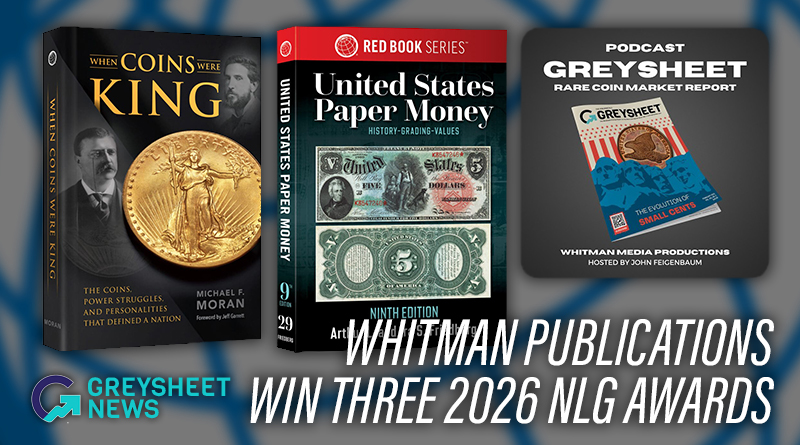
Whitman Brands walked away with a trio of honors during the annual Numismatic Literary Guild awards, held during the American Numismatic Association World's Fair of Money in Pittsburgh.
Events
View All Events
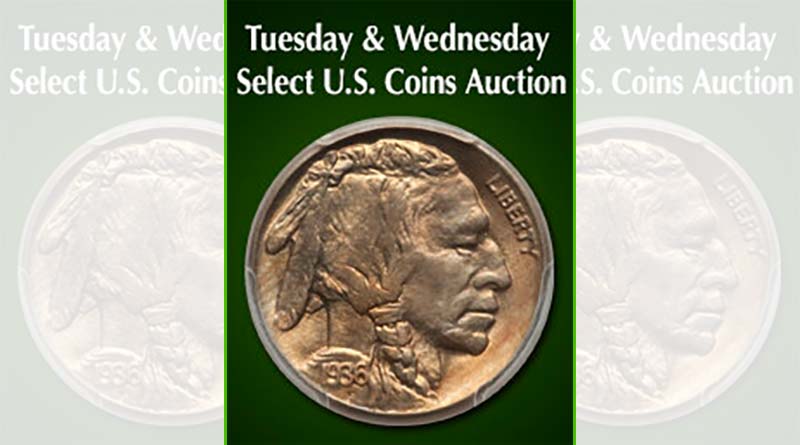

Heritage Auctions

Wednesday, July 1, 2026
Thursday, July 2, 2026
DAVID LAWRENCE RARE COINS
Sunday, July 5, 2026