




 Whitman Expo



New coins from the Netherlands, South Africa, and Vatican City.
Thank you to our sponsors!
Go check them out!









The 1910 Un Peso Caballito is part of the series of Coinage Reform of 1905, when the motto ESTADOS UNIDOS MEXICANOS was added to coinage. The Caballito, a/k/a The Little Horse Pesos were struck from 1910-1914. All 1910 pesos were struck from Type 1 dies, also known as the Short Ray variety. All were struck in Mexico City and designated Business (MS) strikes. Caballitos measure 39mm in diameter, are made of 0.9027% silver, 0.0973% copper and weigh 27.073gms. Each contains .7859 oz ASW. This first year of issue boasted the series largest annual mintage of 3,814,000 pesos.
All 1910 and 1911 Type 1 Caballitos were struck with short ray dies. Although all Type 1 dies had the short ray, only their brief minting in early 1911 is used to identify this variety. 1910's are 1910's, period. 1911 Short Rays are the only date in which the variety is scarce or designated. For differentiation, the 1911 Long Ray Type 2 dies also need designation. Only the 1911 Caballito uses "Ray" designations for variety.
The 1910 Caballito are all of the original “short ray” (rayo corto) design of Charles Pillet. This die variety has one shortened ray of the rising sun on the lower left side of the reverse. This shorter ray was a carryover from where the designer/engravers name appeared on the patterns. On the 1909 pattern, his name appeared in tall letters as “Ch. Pillet” laid out parallel to the rim on the lower left side.. Pillet's name was removed from the dies for business strikes. Without further adjustments it left this one sun ray noticeably short.
Obverse Description
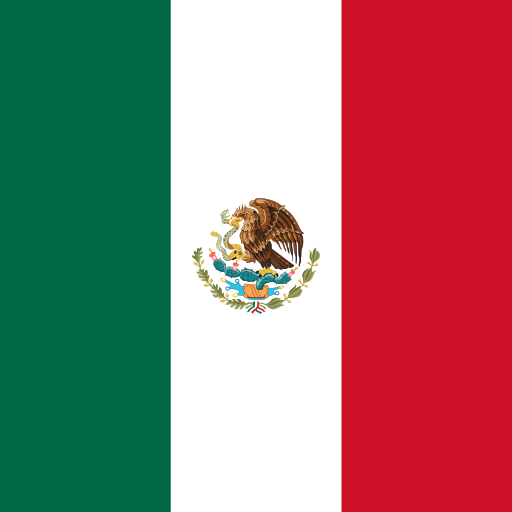
The Obverse features the Mexican coat of arms, depicting the Aztec legend of a Mexican Eagle grasping a snake in its beak and right claw standing on a Prickly Pear Cactus on a rocky outcrop on Tentotchlitan in Lake Texcoco. Estatdos Unidos Mexicanos appears above, Oak and Laurel wreath below. Un Peso in bold letters in field on either side of Cactus. Lenticular pattern around face of outer edge.
Reverse Description
The Reverse of the Caballito is the money side as they say in numismatics. It depicts a young woman rider, symbolically representing Liberty, side sitting on an unshod Mexican bucking horse that carries no saddle. Both the horse and rider face to the left. The female rider holds torch raised high in her left hand as she looks to the rear while urging the horse forward. The flames of the torch flow horizontally to the right. Her right hand holds a branch from an Encino oak. Liberty is wrapped in loose flowing cloth representing the fabric of society. The Horse has no saddle, no bridle or reins. Behind the horse and rider is a radiant rising sun with its crown breaking above the earth sending 14 rays of light into the sky. Around the outer face is an alternating "lenticular" pattern interspersed with "snaps". The date on the coin sits in the space below the textured ground the horse stands upon, with a raised dot on either side.
Source: Allan Schein
Catalog Information
GSID:
295079
Designer:
Charles Pillet
Obverse Designer:
Charles Pillet
Obverse Lettering:
ESTADOS UNIDOS MEXICANOS, UN PESO
Reverse Designer:
Charles Pillet
Reverse Lettering:
1910
Fineness:
.9027
Weight (gr):
27.073 gr
Weight (oz):
0.8704 oz
Coin Rulers Name:
United Mexican States/Mexican Republic
Strike Type:
Business
Diameter:
39
Coin Shape:
Round
Edge:
Lettered
Variety:
Type 1, Caballito
Variety 2:
KM-453
Coin Date:
1910
Denomination:
S1P
Designation:
MS
Mint Location:
Mexico City
Mintage:
3,814,000
Coinage Type:
Estados Unidos Mexicanos
Coinage Years:
1910-1914
Composition:
Silver
PCGS #:
525771
Krause #:
KM-453
Send Catalog Feedback
To: editor@greysheet.com
Subject: I would like to contribute catalog info to CDN for 1910 S1P Type 1, Caballito, KM-453 MS (KM-453)
Body: Referring page: http://beta.greysheet.com/prices/item/1910-mo-1-peso-type-1-caballito-km-453-mexico-world-coins/gsid/295079 GSID: 295079 Title: 1910 S1P Type 1, Caballito, KM-453 MS (KM-453)
Subscribe to View
View more data, info, and visualizations. Get access to retail and wholesale pricing as well as auction data.
Coin Value History
1910 S1P Type 1, Caballito, KM-453 MS (KM-453)
Value By Grade
1910 S1P Type 1, Caballito, KM-453 MS (KM-453)
CPG (retail) values
Currency
Grade Range
Sort by
Pricing
Values
Greysheet & CPG® Values
| Grade | CPG Value (Retail) | Greysheet Price (Wholesale) |
|---|---|---|
| MS65 | $5,250 | $1,234 |
| MS64 | $2,750 | $1,234 |
| MS63 | $1,234 | $1,234 |
| MS62 | $1,234 | $1,234 |
| MS61 | $1,234 | $1,234 |
| MS60 | $1,234 | $1,234 |
| AU58 | $1,234 | $1,234 |
| AU55 | $1,234 | $1,234 |
| AU53 | $1,234 | $1,234 |
| AU50 | $1,234 | $1,234 |
| XF45 | $1,234 | $1,234 |
| XF40 | $1,234 | $1,234 |
| VF20 | $1,234 | $1,234 |
| F12 | $1,234 | $1,234 |
1911 S1P Type 1, Caballito, Short Ray, KM-453 MS

Worth: $150 – $14,000
1911 S1P Type 2, Caballito, Long Ray, KM-453 MS

Worth: $90 – $10,000
1912 S1P Type 2, Caballito, KM-453 MS

Worth: $100 – $4,500
1913/2 S1P Type 2, Caballito, KM-453 MS

Worth: $95 – $5,000
1913 S1P Type 2, Caballito, KM-453 MS

Worth: $50 – $7,500
1914 S1P Type 2, Caballito, KM-453 MS

Worth: $900 – $16,000
1918-Mo S1P Type 2, 80% Silver, KM-454 MS

Worth: $100 – $1,800
1918/7-Mo S1P Type 2, 80% Silver, KM-454 MS
Worth: $150 – $1,500
1919-Mo S1P Type 2, 80% Silver, KM-454 MS
Worth: $95 – $750
1920-Mo S1P Type 3, 72% Silver, KM-455 MS
Worth: $50 – $600
1920/10-Mo S1P Type 3, 72% Silver, KM-455 MS
Worth: $80 – $375
1921-Mo S1P Type 3, 72% Silver, KM-455 MS
Worth: $30 – $450
1921-Mo S1P Type 3, 9 Over Inv. 9, 72% Silver, KM-455 MS
Worth: $50 – $300
1922-Mo S1P Type 3, 72% Silver, KM-455 MS
Worth: $22 – $160
1923-Mo S1P Type 3, 72% Silver, KM-455 MS
Worth: $22 – $120
Greysheet News
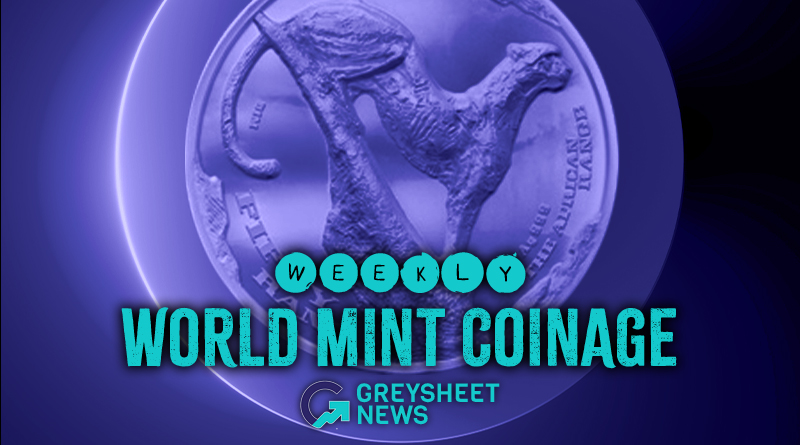
Weekly World Mint Coinage: August 27, 2026
8/27/2026
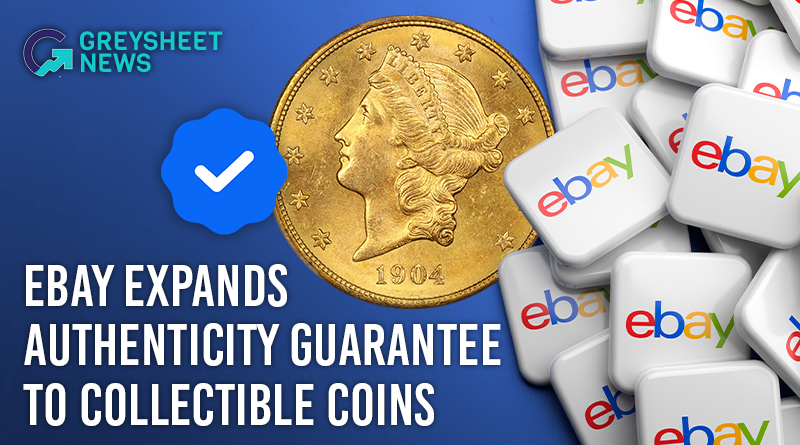
eBay Expands Authenticity Guarantee to Collectible Coins
eBay, one of the world's largest marketplaces for unique and historic coins, today announced the expansion of Authenticity Guarantee in the U.S. to a new category: collectible coins.
8/21/2026

Events
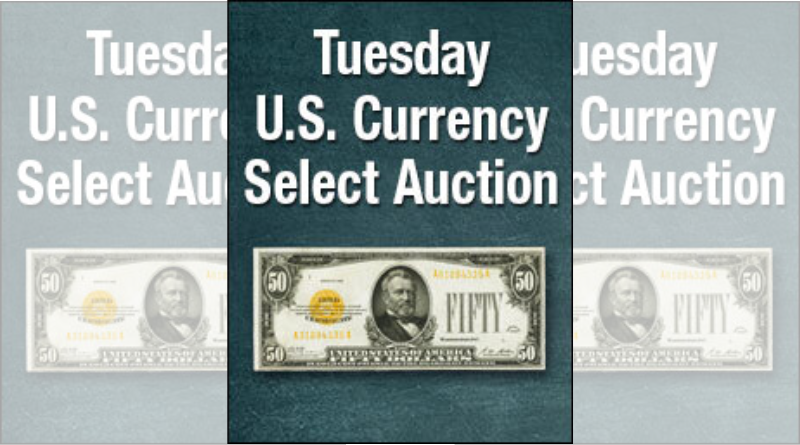
Heritage Auctions: US Currency Tuesday Select Auction
Location: Heritage Auctions
Tuesday, June 2, 2026
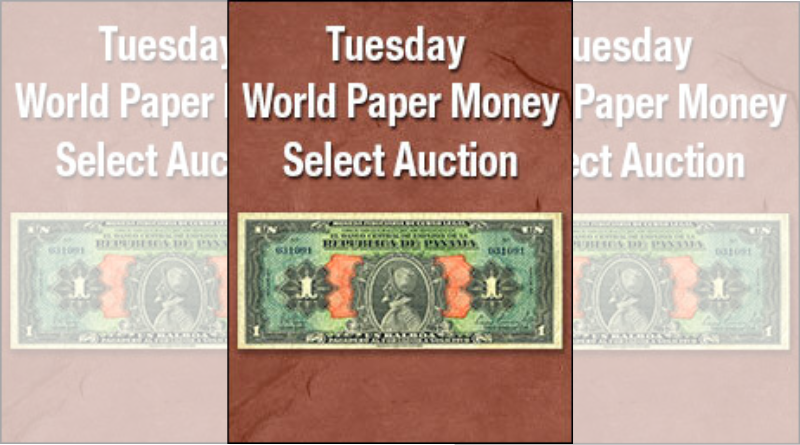
Heritage Auctions: World Paper Money Tuesday Select Auction
Location: Heritage Auctions
Tuesday, June 2, 2026
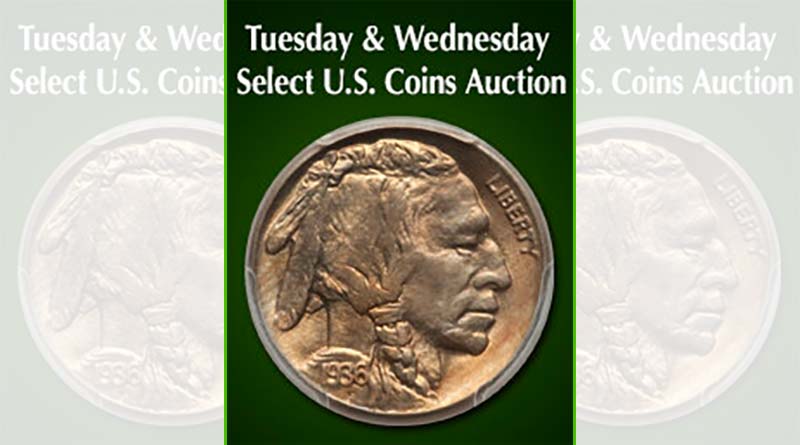
Heritage Auctions: US Coins Tuesday & Wednesday Select Auction
Location: Heritage Auctions
Wednesday, June 3, 2026