


 Whitman Expo


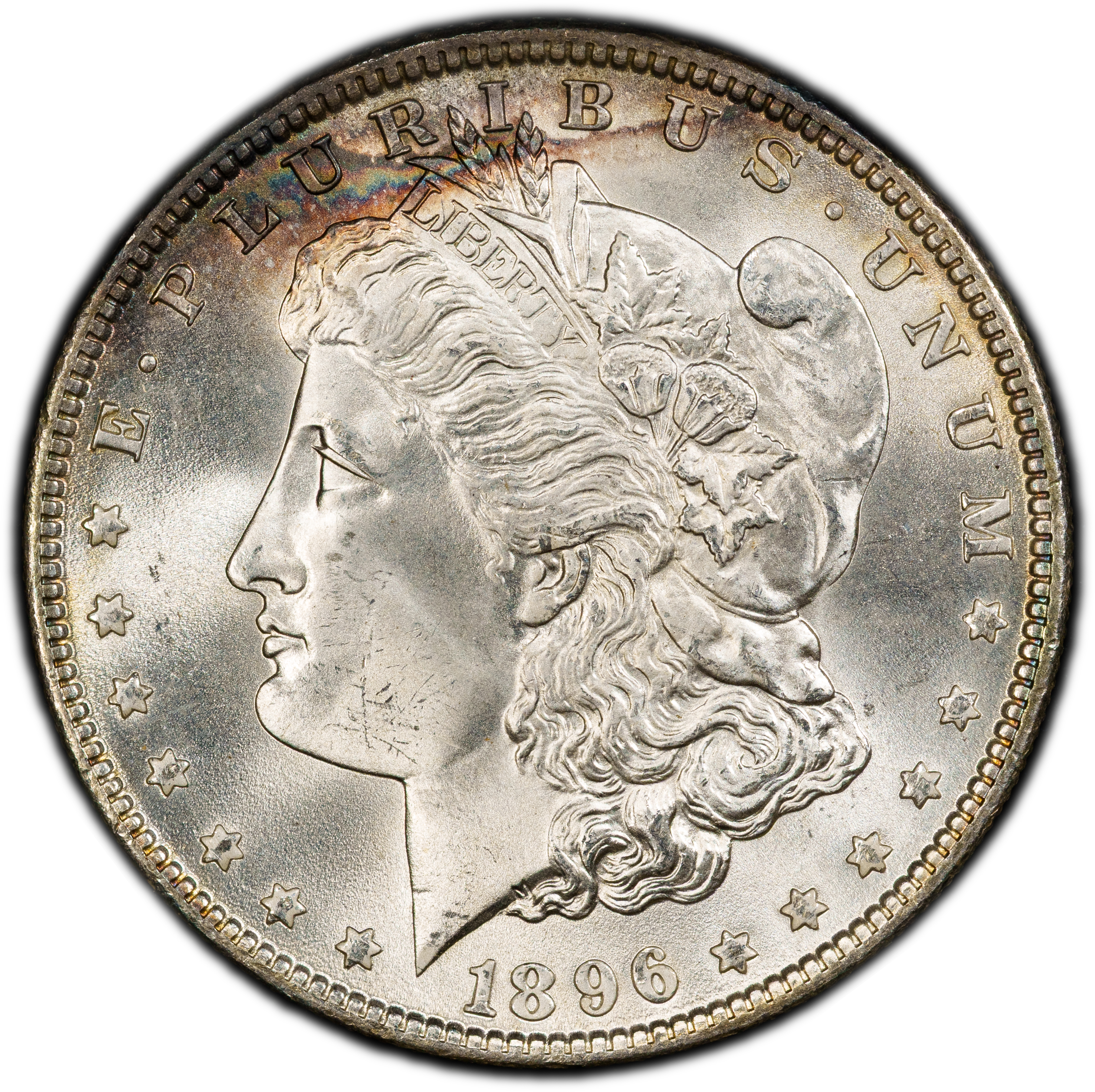


Brings More Than 50% Over PCGS Price Guide — a Record for the Date in Gem Mint State.
Image Coming Soon
We're working on adding images for this item.
Thank you to our sponsors!
Go check them out!








An extraordinary delicacy in the trade dollar series, a distinctive issue whose proper attribution was made possible through research and serendipity. Robert W. Julian was the first to discover a document in the Mint archives addressing this unusual issue, while John Dannreuther and Joe Kirchgessner were the first to identify the coins - like this one - that stand out distinctly against the backdrop of circulation strike and Proof trade dollars of this year.
On April 11, 1874, United States Mint Director Henry R. Linderman wrote to Philadelphia Mint Superintendent James Pollock with a simple request: "Sir, I will thank you to send to me, C.O.D., 25 Trade dollars, ordinary coinage." The Mint's register of correspondence reflects that the letter was received on April 13, noting "from Director of the Mint, Washington, wants 25 Trade dollars sent to him C.O.D." That same day, Pollock answered Linderman and supplied what he wanted: "I have this day sent to you by Express twenty-five semi-proof Trade dollars, value in silver coin twenty seven 50/100 dollars ($27 50/100) which you can remit in a manner convenient for yourself."
The reasoning for Linderman's request isn't revealed by available documents, though it may be discovered someday. These were not assay coins, but may have been intended for special distribution by Linderman, either to fellow Mint directors or to those involved in the Far East trade as examples of the new trade dollar coinage. It's telling that this specimen was discovered unattributed in Italy, suggesting a method of distribution far outside the norm.
This variety is listed as JD-2 in John Dannreuther's upcoming volume on Proof silver coins, struck from a reverse die that distinguishes it from the standard Proof die pair, JD-1. PCGS calls this variety "No Period," a reference to the usually seen period after the word FINE on the reverse that has been polished off of this die. The die shows several peripheral cracks, connecting the bases of the letters TR in TRADE to the tops of the letters in UNITED STATES OF AMERICA, common to all known specimens. The distinctive luster has also been seen on the few survivors documented, and most show the kind of lovely original toning that bespeaks a careful preservation.
Dannreuther lists three pieces identified and certified as Specimens, two PCGS Specimen-64s (including this one, specimen #4) and a single PCGS Specimen-65. He uncovered five additional pieces from this die pair, three of which were called Proof by PCGS, one called Proof by NGC, and one additional specimen graded PCGS MS-65. The PCGS Proof-graded pieces included one each at Proof-63, Proof-64, and Proof-65, while the NGC coin was a Proof-63. While others may be attributed, these were the only examples found during dedicated research into this distinctive and easily identified issue.
This little-known issue should be considered a rare key to the trade dollar series, one whose rarity and place in history is sure to be appreciated into the future.
Obverse Description
Lady Liberty is seated on a stone wall, facing left, with an olive branch in her extended right hand and a ribbon bearing the word LIBERTY in her resting left hand. IN GOD WE TRUST us carved into the base and her seat is otherwise adorned with a bundle of wheat. 13 stars adorn the periphery with the date at the lower middle. Type I obverse features ends of scroll pointing left; extended hand has three fingers.
Reverse Description
An eagle is centered in the design with the weight of the coin listed below as "420 GRAINS. 900 FINE." The words UNITED STATES OF AMERICA and TRADE DOLLAR adorn the top and bottom periphery with a ribbon stating the motto E PLURIBUS UNUM above the eagle's head. Reverse type I with the berry under the eagle's left (viewer's right) claw; arrowhead ends over the 0 in "420".
Source: Stack's Bowers
Catalog Information
GSID:
395416
Designer:
William Barber
Obverse Designer:
William Barber
Obverse Lettering:
LIBERTY, 1874
Reverse Designer:
William Barber
Reverse Lettering:
420 GRAINS. 900 FINE.UNITED STATES OF AMERICA, TRADE DOLLAR, E PLURIBUS UNUM
Fineness:
0.9
Weight (gr):
27.22 gr
Weight (oz):
0.8751 oz
Precious Metal Weight:
0.7874 oz
Strike Type:
Specimen
Diameter:
38.1
Coin Shape:
Round
Edge:
Reeded
Variety:
No Period
Coin Date:
1874
Denomination:
Trade$
Designation:
SP
Mint Location:
Philadelphia
Mintage:
987,100
Coinage Type:
Trade dollar
Coinage Years:
1873-1885
Composition:
90% silver; 10% copper
PCGS #:
94034
Send Catalog Feedback
To: editor@greysheet.com
Subject: I would like to contribute catalog info to CDN for 1874 Trade$ No Period SP
Body: Referring page: http://beta.greysheet.com/prices/item/1874-united-states-trade-dollar-no-period-specimen-strike/gsid/395416 GSID: 395416 Title: 1874 Trade$ No Period SP
Subscribe to View
View more data, info, and visualizations. Get access to retail and wholesale pricing as well as auction data.
Coin Value History
1874 Trade$ No Period SP
Currency
Grade Range
Grading Authority
Sort by
Pricing
Values
Greysheet & CPG® Values
Trade Dollar Trade$ 1873-1878 MS [Type]
![Trade Dollar Trade$ 1873-1878 MS [Type]](https://images.greysheet.com/ctc/catalog/1878s-trade-obv-sb.jpg?MaxWidth=200&Mode=Pad&Scale=UpscaleCanvas&format=webp)
Worth: $75 – $216,000
1873 Trade$ MS

Worth: $90 – $125,000
1873 Trade$ Chopmarked MS

Worth: $850 – $12,000
1873-CC Trade$ MS

Worth: $220 – $300,000
1873-CC Trade$ Chopmarked MS

Worth: $1,280 – $9,600
1873-S Trade$ MS

Worth: $83 – $75,000
1873-S Trade$ Chopmarked MS

Worth: $360 – $10,200
1874 Trade$ MS

Worth: $90 – $137,500
1874 Trade$ Chopmarked MS

Worth: $680 – $7,200
1874-CC Trade$ MS

Worth: $100 – $150,000
1874-CC Trade$ Chopmarked MS

Worth: $480 – $6,720
1874-S Trade$ MS

Worth: $75 – $18,000
1874-S Trade$ Chopmarked MS

Worth: $264 – $4,250
1875 Trade$ MS

Worth: $100 – $250,000
1875 Trade$ Chopmarked MS

Worth: $6,000 – $24,000
Greysheet News
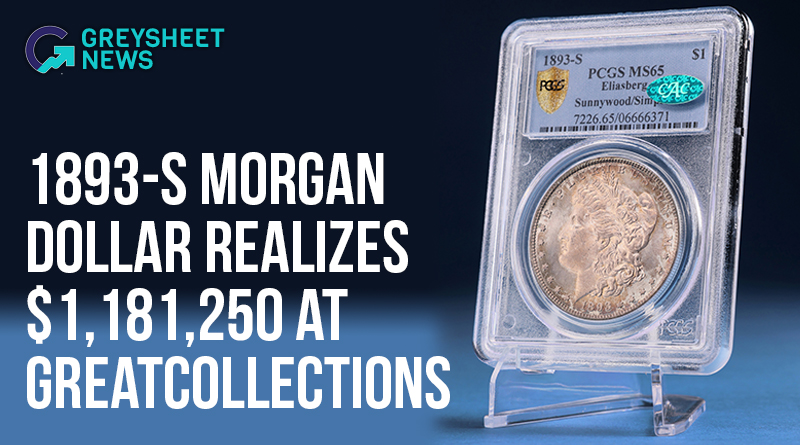
1893-S Morgan Dollar Realizes $1,181,250 at GreatCollections
9/4/2026
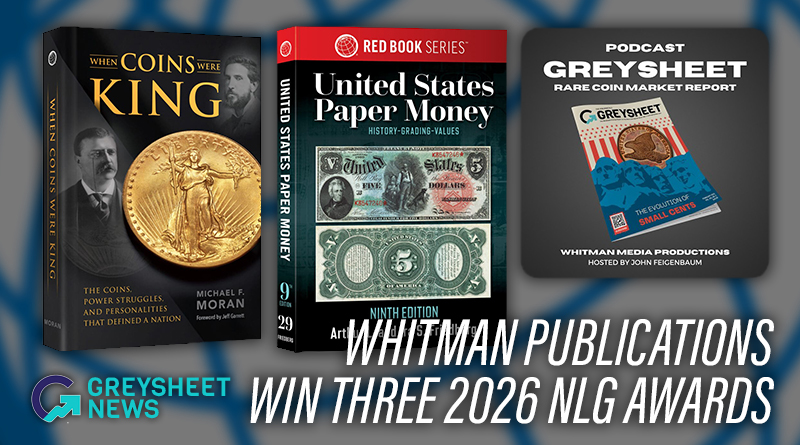
Whitman Publications Win Three 2026 NLG Awards
Whitman Brands walked away with a trio of honors during the annual Numismatic Literary Guild awards, held during the American Numismatic Association World's Fair of Money in Pittsburgh.
8/31/2026
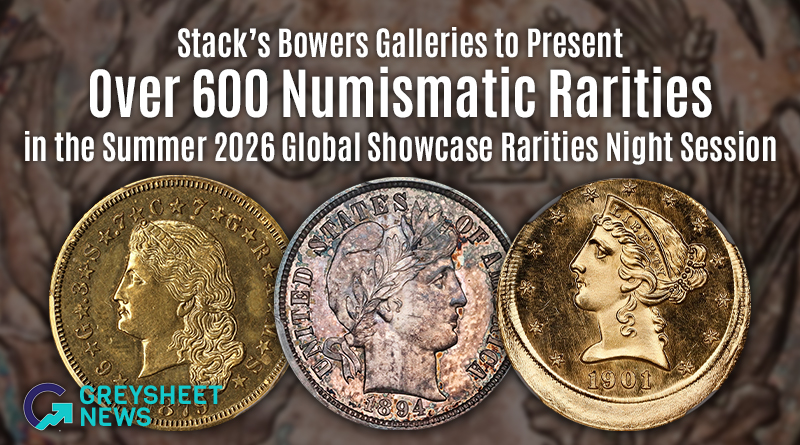
Stack's Bowers Galleries to Present Over 600 Impressive Numismatic Rarities in the Summer 2026 Global Showcase Rarities Night Session
Rarities across the spectrum of American coinage are set to cross the auction block.
8/21/2026
Events
Heritage Auctions: US Coins Tuesday & Wednesday Select Auction
Location: Heritage Auctions
Wednesday, July 1, 2026
Heritage Auctions: World & Ancient Coins Wednesday & Thursday Select Auction
Location: Heritage Auctions
Thursday, July 2, 2026