




 Whitman Expo


The U.S. Mint is planning to release the first U.S. coinage and medal of a shape other than round.
Image Coming Soon
We're working on adding images for this item.
Thank you to our sponsors!
Go check them out!








Struck in copper from regular dies (Overton-117), made as a pattern to test the dies, then run through compression rollers and used as a planchet strip; a disk for a half cent was cut from it. This pattern half dollar is actually known to us only through traces visible on a half cent. Believed to be unique.
Catalog Information
GSID:
266235
Strike Type:
Business
Coin Shape:
Round
Edge:
Reeded
Variety:
Copper
Variety 2:
J-22
Coin Date:
1795
Denomination:
P50c
Designation:
MS
Mint Location:
Philadelphia
Mintage:
Unique
Coinage Type:
Pattern
Coinage Years:
1795
Composition:
Copper
Rarity:
Unique
PCGS #:
12156
Send Catalog Feedback
To: editor@greysheet.com
Subject: I would like to contribute catalog info to CDN for 1795 P50c Copper, J-22 MS BN
Body: Referring page: http://beta.greysheet.com/prices/item/1795-pattern-half-dollar-brown-surfaces-judd-22/gsid/266235 GSID: 266235 Title: 1795 P50c Copper, J-22 MS BN
Subscribe to View
View more data, info, and visualizations. Get access to retail and wholesale pricing as well as auction data.
Pricing Data Not Yet Available
We are constantly adding to our pricing database and prioritize user requests. Click below to request pricing for this item.
Request PricingGreysheet News
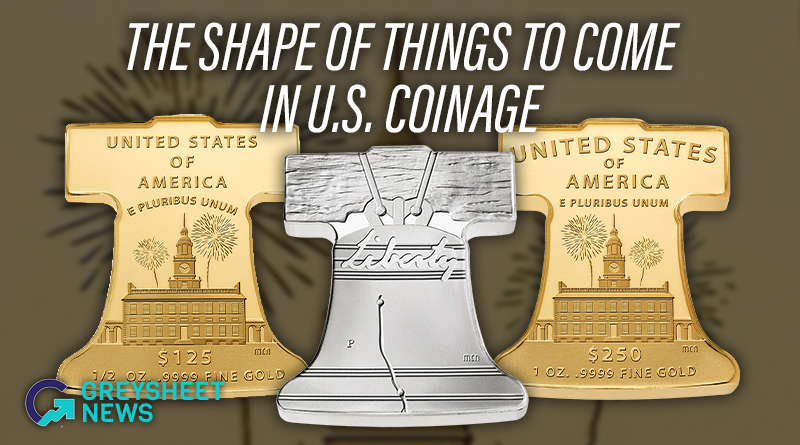
The Shape of Things to Come in U.S. Coinage
8/12/2026

Greysheet Offers Former Numismaster Subscribers 3 Months Free Subscription
Numismaster.com ceased operations on July 31, leaving paid digital subscribers scrambling to pursue other options for their numismatic information.
8/10/2026
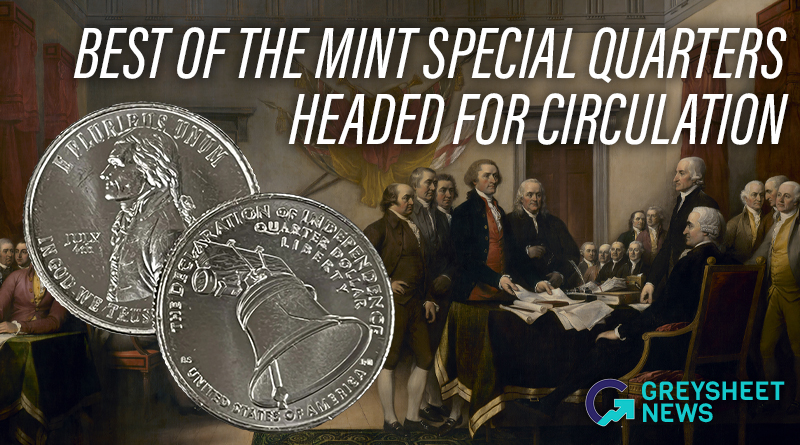
Special Quarters Headed for Circulation
The search is on for special quarter dollars that will be placed in circulation by the United States Mint as part of the nation's Semiquincentennial celebration.
8/10/2026
Events
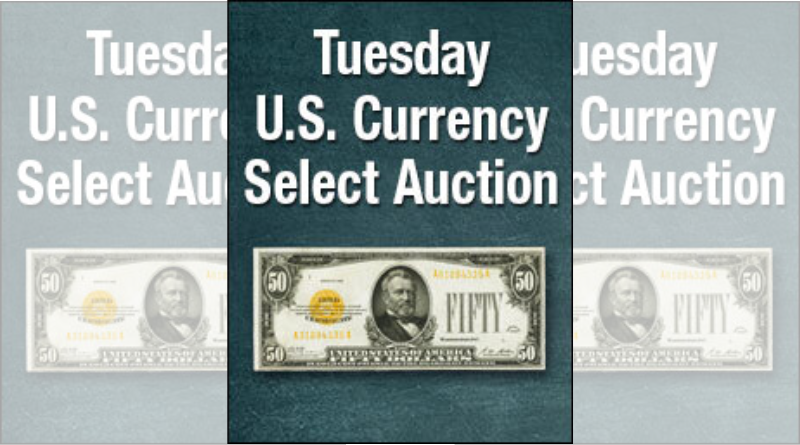
Heritage Auctions: US Currency Tuesday Select Auction
Location: Heritage Auctions
Tuesday, June 2, 2026
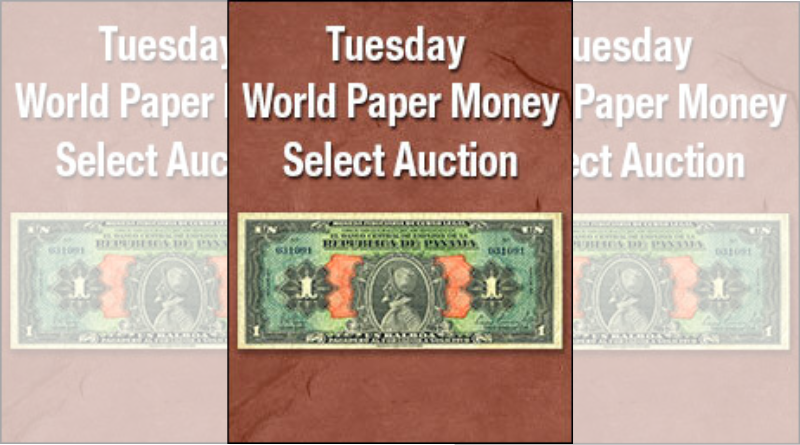
Heritage Auctions: World Paper Money Tuesday Select Auction
Location: Heritage Auctions
Tuesday, June 2, 2026
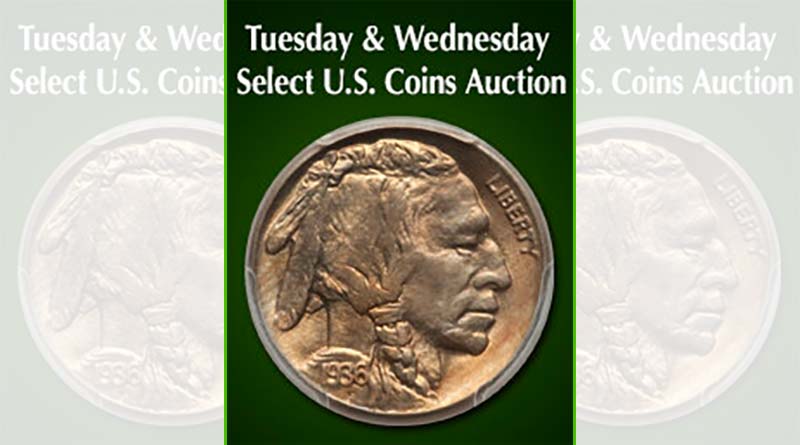
Heritage Auctions: US Coins Tuesday & Wednesday Select Auction
Location: Heritage Auctions
Wednesday, June 3, 2026