




 Whitman Expo
-
1851 Schultz & Co. (1851) Values
Greysheet & Red Book® PRICE GUIDE


Sort by
Sponsor

Sponsor

Sponsor
Sponsor

Sponsor

Legal Disclaimer
The prices listed in our database are intended to be used as an indication only. Users are strongly encouraged to seek multiple sources of pricing before making a final determination of value. CDN Publishing is not responsible for typographical or database-related errors. Your use of this site indicates full acceptance of these terms.
The Greysheet Catalog (GSID) of the Schultz & Co. (1851) series of Private & Pioneer Gold in the U.S. Coins contains 1 distinct entries with CPG® values between $260,000.00 and $1,200,000.00.
Augustus Humbert, a New York watchcase maker, was appointed United States assayer,
and he placed his name and the government stamp on the ingots of gold issued by Moffat & Co. The assay office, a provisional government mint, was a temporary expedient to
accommodate the Californians until the establishment of a permanent branch mint.
The fifty-dollar gold piece was accepted by most banks and merchants as legal
tender on a par with standard U.S. gold coins and was known variously as a slug,
quintuple eagle, or five-eagle piece. It was officially termed an ingot.
See More See Less


 Loading more ...
Legal Disclaimer
The prices listed in our database are intended to be used as an indication only. Users are strongly encouraged to seek multiple sources of pricing before making a final determination of value. CDN Publishing is not responsible for typographical or database-related errors. Your use of this site indicates full acceptance of these terms.
Available on Greysheet Marketplace
View All
Auction Ends: 9/4/2026
Auction Ends: 9/2/2026
Auction Ends: 9/2/2026
Auction Ends: 9/4/2026
Dealer Directory
View All Dealers





Greysheet News
View All News
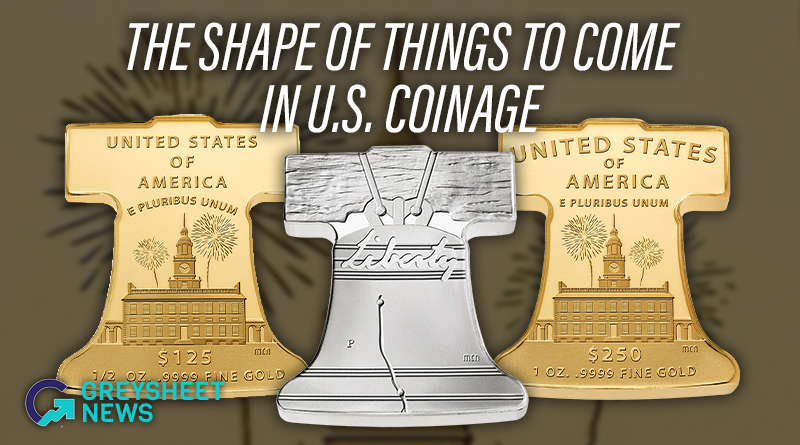
The U.S. Mint is planning to release the first U.S. coinage and medal of a shape other than round.

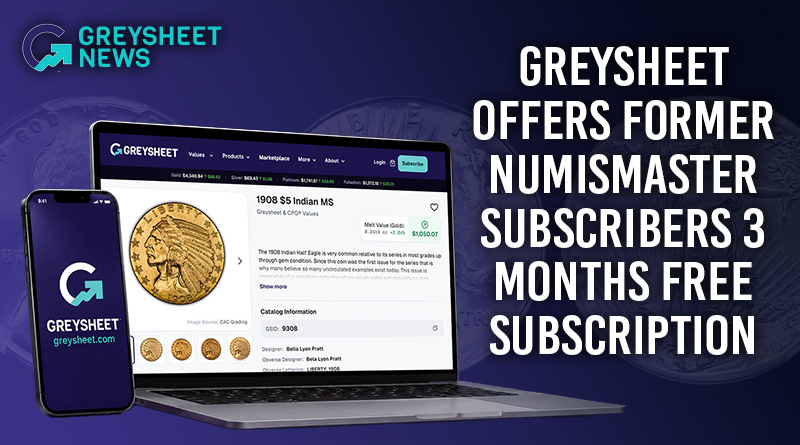
Numismaster.com ceased operations on July 31, leaving paid digital subscribers scrambling to pursue other options for their numismatic information.
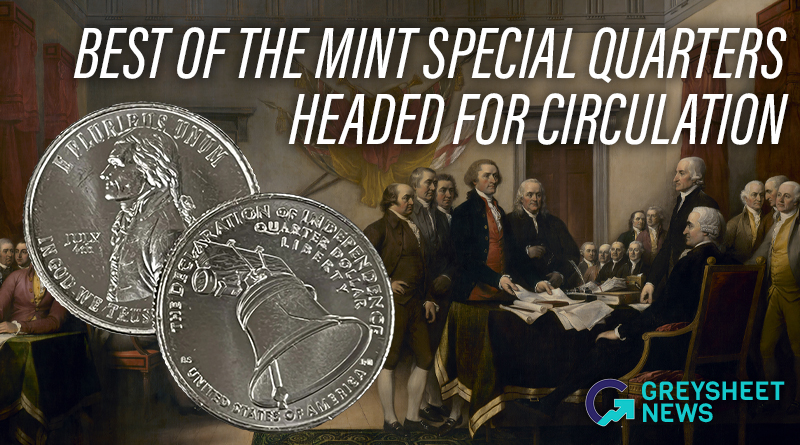
The search is on for special quarter dollars that will be placed in circulation by the United States Mint as part of the nation's Semiquincentennial celebration.
Events
View All Events

Heritage Auctions

Tuesday, June 2, 2026
Heritage Auctions
Tuesday, June 2, 2026
Heritage Auctions
Wednesday, June 3, 2026