




 Whitman Expo
-
1923 Silver Commemorative Values
Greysheet & Red Book® PRICE GUIDE


Sort by
Sponsor

Sponsor

Sponsor

Sponsor

Sponsor

Legal Disclaimer
The prices listed in our database are intended to be used as an indication only. Users are strongly encouraged to seek multiple sources of pricing before making a final determination of value. CDN Publishing is not responsible for typographical or database-related errors. Your use of this site indicates full acceptance of these terms.
The Greysheet Catalog (GSID) of the Silver Commemoratives (1892–1954) series of Commemoratives in the U.S. Coins contains 1 distinct entries with CPG® values between $26.85 and $110,000.00.
The classic commemorative coin era in the United States spans from 1892 through 1954 and both began and ended with the production of special silver half dollars. The first commemorative coin the United States Mint ever released was the 1892 World's Columbian Exposition half dollar marking the arrival of the grand event in Chicago that drew millions of people from all over the world. Production of the Columbian half dollar was continued into 1893 and also complemented with the appearance of the 1893 World's Columbian Exposition Isabella quarter, featuring Queen Isabella I of Spain. The next commemorative issue was the 1900 Lafayette dollar featuring on its obverse a jugate bust of George Washington and Marquis de Lafayette, with proceeds from the sale of the dollar (sold for $2 each) going to the Lafayette Memorial Commission to erect a statue in Paris as a gift from the American people.
Following a brief hiatus in the production of silver commemoratives came a bevy of half dollars, beginning in 1915 with the issuance of the Panama-Pacific International Exposition commemoratives. The US commemorative program produced a flurry of issues during the 1920s and especially the 1930s, with as many as 20 distinct commemorative half dollars issued in 1936 alone. Claims of financial abuses concerning proceeds from the sale of the commemorative half dollars brought this colorful chapter of United States numismatics to an end in 1954, with the release of the last George Washington Carver/Booker T. Washington commemorative half dollars.
Many silver commemoratives are common and readily obtainable in gem grades, with a few exceptions. These include the relatively scarce 1915 Panama-Pacific, 1922 Grant Memorial with Star, 1925 Fort Vancouver, 1928 Hawaiian Sesquicentennial, 1935 Hudson (New York) Sesquicentennial, and 1935 Old Spanish Trail, 1936 Battle of Gettysburg Anniversary, 1936 Norfolk (Virginia), 1937 Battle of Antietam Anniversary, and 1938 New Rochelle (New York) 250th Anniversary half dollars. The 1900 Lafayette silver dollar is scarce across the board with uncirculated specimens easily ranging into four-figure territory or higher.
See More See Less


 Loading more ...
Legal Disclaimer
The prices listed in our database are intended to be used as an indication only. Users are strongly encouraged to seek multiple sources of pricing before making a final determination of value. CDN Publishing is not responsible for typographical or database-related errors. Your use of this site indicates full acceptance of these terms.
Available on Greysheet Marketplace
View All

Buy Now: $3,500.00

Buy Now: $2,750.00

Buy Now: $4,450.00

Buy Now: $2,250.00
Dealer Directory
View All Dealers





Greysheet News
View All News
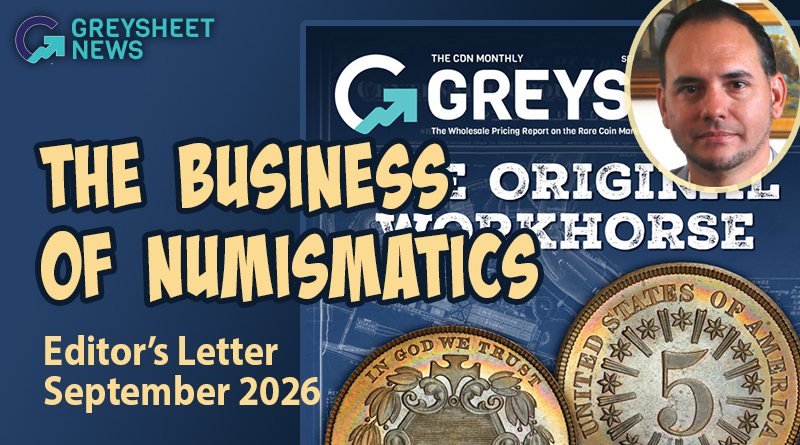
Outside of the direct trading of coins, our industry has seen some shake up recently on the data and information front.

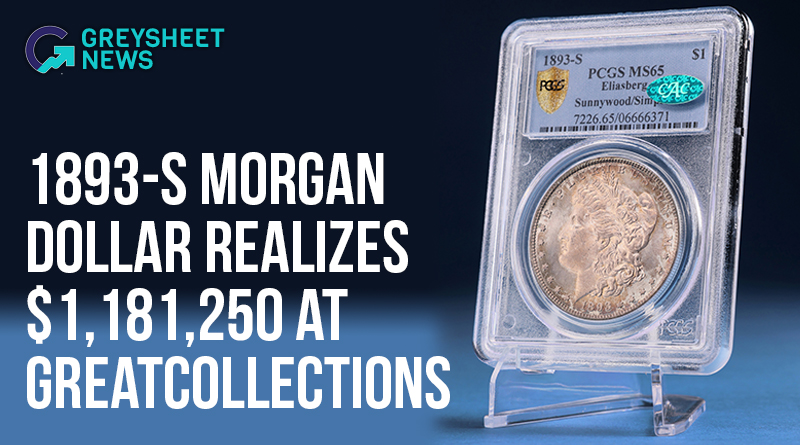
Brings More Than 50% Over PCGS Price Guide — a Record for the Date in Gem Mint State.
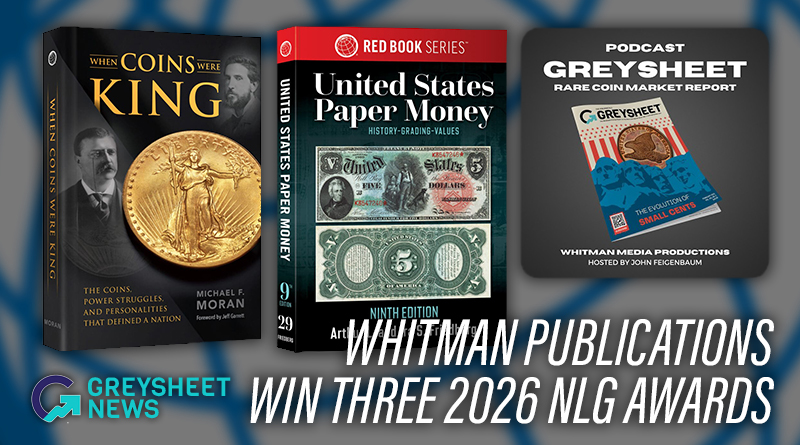
Whitman Brands walked away with a trio of honors during the annual Numismatic Literary Guild awards, held during the American Numismatic Association World's Fair of Money in Pittsburgh.
Events
View All Events
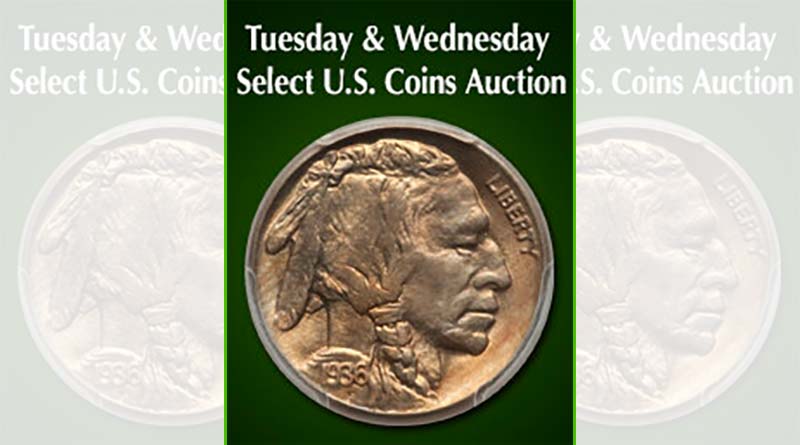

Heritage Auctions

Wednesday, July 1, 2026
Thursday, July 2, 2026

DAVID LAWRENCE RARE COINS
Sunday, July 5, 2026