




 Whitman Expo
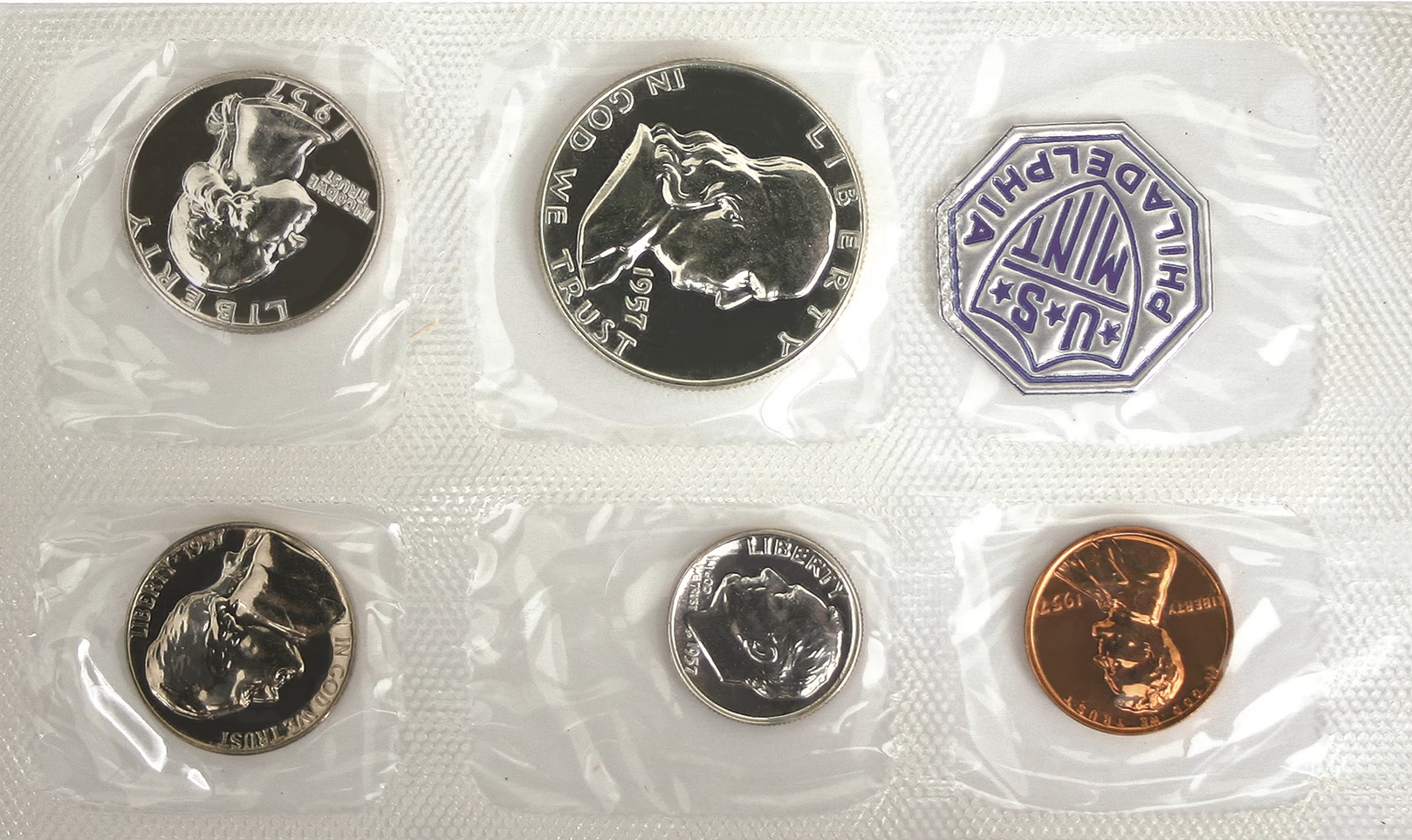
1957 1c-50c Proof Set, 5 Coins PR63


Greysheet & CPG® PRICE GUIDE


Original Packaging: The five coins were sealed into a single pliofilm envelope with pockets for each coin, a sixth pocket containing an embossed and printed paper seal reading US MINT PHILADELPHIA in blue on a silver background. The set was protected from damage by two strips of cardstock, and all three pieces were inserted, along with a brief fact sheet, into a buff-colored mailing envelope. This carried a pre-printed return address and a discreet notation of its contents. Commentary: Sales of Proof sets in 1957 nearly doubled, yet again. This time, however, the speculative trading in these popular sets seems to have been its own undoing. Collectors were alarmed at a mintage exceeding a million sets, believing that this was too many for the coins to have any lasting value. In fact, the speculative mania had already subsided before this bomb was dropped. The market simply ran out of new buyers, and when those holding sets wanted to cash in, the market fell. It has long been suggested, without any evidence to support it, that the Mint, having grown resentful of this speculation, exacted its revenge by overproducing these sets to meet every one of its orders. This is in contrast to previous years, when the Mint refunded orders that it believed exceeded its capacity to produce sets. Whatever the reason behind this very high mintage for the time, it had a chilling effect on the following year’s sales. For many years, the 1957 Proof set remained a drag on the market, though it currently enjoys equal favor with contemporary sets, its once shocking mintage no longer seeming so unusual. Though more Proof coins were made this year than in 1956, the Mint may have used no greater number of dies. Coins struck from severely overpolished and indistinct dies are commonplace for this date, while cameo and deep cameo pieces are somewhat scarcer than for 1956. The smart shopper will examine 1957 Proof coins carefully for such careless production, rather than relying solely on the grade assigned. On the plus side, a very scarce variety may be found among 1957 Proof nickels. Classified as a quadrupled-die obverse, the extra outlines to liberty and the date will require magnification to discern, but this variety is highly sought by specialists. An interesting sidebar story concerns the nickels of 1957. For this and the following year, the Mint increased the size of the star that serves as a stop between liberty and the date. This was likely accomplished by hand cutting it to a larger size on the obverse master dies for those dates. In 1959, this star reverted to its 1938 to 1956 size, as found on the obverse master hub for this coin type. Both Proof and currency strikes received this same treatment, and there are no transitional varieties for 1957 and 1958, yet it remains a distinctive and curious footnote to the Jefferson series.
See More See LessAbout CDN Prices
All CDN prices are based on proprietary market knowledge and technology developed by CDN Publishing, LLC.
CPG® prices represent retail levels. Collectors should refer to CPG values as a starting place for their negotiations, or auction bid reference.
Greysheet/Greensheet prices are wholesale market levels for collectible coins/paper money intended to indicate what a dealer, or wholesale, buyer would pay for the described item in the specified grade. Greysheet/Greensheet represent "sight-seen" values based on a buyer's in-hand review. The actual value can be more or less than this depending on factors including eye appeal and market timing.
Bluesheet (NGC & PCGS) prices represent the highest sight-unseen offers to buy on dealer networks like CDN Exchange. In many cases, there are no active sight-unseen buy offers, so CDN looks to the recent lowest market values for such an item. For this reason, Bluesheet values typically represent the floor of the market for the specified item. CDN only tracks Bluesheet on certain items.
CAC prices are for U.S. coins that meet the standards of the Certified Acceptance Corporation. You can learn more about CAC on their web site.
Price movement is indicated for price changes in the last 30 days.
The prices listed in our database are intended to be used as an indication only. Users are strongly encouraged to seek multiple sources of pricing before making a final determination of value. CDN Publishing is not responsible for typographical or database-related errors. Your use of this site indicates full acceptance of these terms.
Greysheet News
View All News
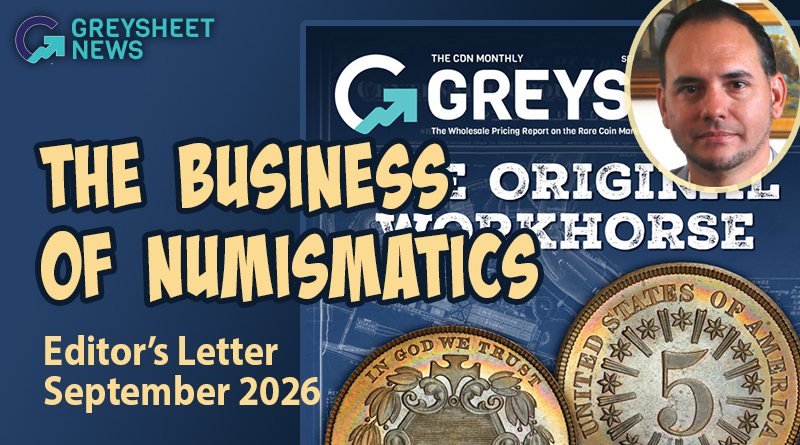
Outside of the direct trading of coins, our industry has seen some shake up recently on the data and information front.

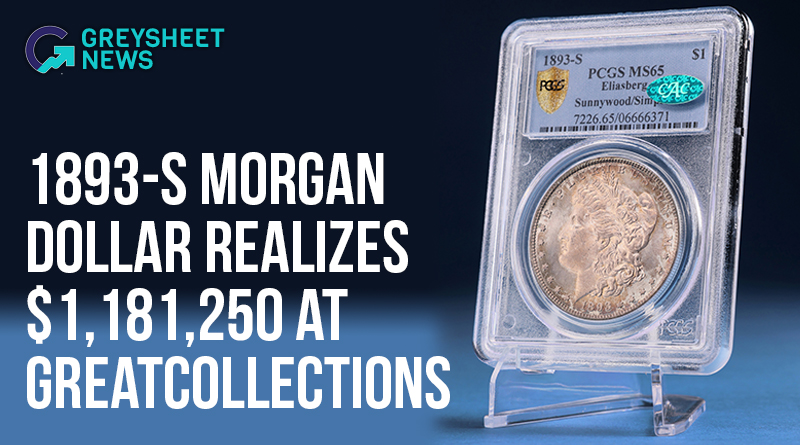
Brings More Than 50% Over PCGS Price Guide — a Record for the Date in Gem Mint State.
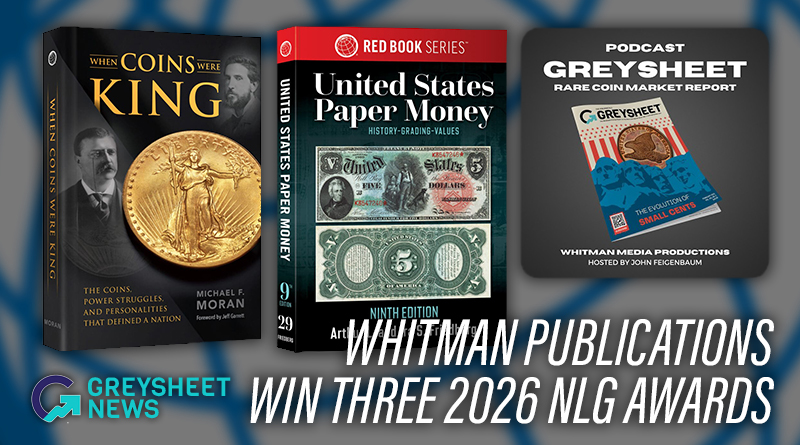
Whitman Brands walked away with a trio of honors during the annual Numismatic Literary Guild awards, held during the American Numismatic Association World's Fair of Money in Pittsburgh.