



 Whitman Expo




The United States utilized a two-cent coin for just ten years, from 1864 to 1873.
Thank you to our sponsors!
Go check them out!









Today, there are three collectible examples of the 1849 Cincinnati Mining & Trading $10, all of which grade AU. One of these is struck over a J.S. Ormsby $10, suggesting that Cincinnati Mining & Trading (or someone with their dies) was actively striking coins after J.S. Ormsby. Two examples are permanently impounded at the Smithsonian, including a choice BU specimen that was removed from a bullion deposit in 1849 or 1850. The Dupont specimen — stolen in 1967 — was at one time called plain edge but the earliest description of the piece (H. Chapman: 06/18/1908: 506a) describes it clearly as “border milled”, suggesting that the Kagin-2 variety probably does not exist.
Obverse Description
Native American facing left CINCINNATI MINING & TRADING COMPANY.
Reverse Description
Eagle bearing a shield, arrows, and laurel, CALIFORNIA TEN DOLLARS, 1849.
Catalog Information
GSID:
11737
Obverse Lettering:
CINCINNATI MINING & TRADING COMPANY
Reverse Lettering:
CALIFORNIA TEN DOLLARS, 1849
Strike Type:
Business
Coin Shape:
Round
Edge:
Plain
Variety:
Cincinnati Mining & Trading
Variety 2:
K-3
Coin Date:
1849
Denomination:
G$10
Designation:
MS
Mint Location:
Cincinnati, Ohio
Mintage:
5 known
Coinage Type:
Private & Pioneer Gold
Coinage Years:
1849
Composition:
Gold
Rarity:
H7
PCGS #:
10128
Send Catalog Feedback
To: editor@greysheet.com
Subject: I would like to contribute catalog info to CDN for 1849 G$10 Cincinnati Mining & Trading, K-3 MS
Body: Referring page: http://beta.greysheet.com/prices/item/1849-cincinnati-mining-and-trading-ten-dollar-territorial-gold-coinage/gsid/11737 GSID: 11737 Title: 1849 G$10 Cincinnati Mining & Trading, K-3 MS
Subscribe to View
View more data, info, and visualizations. Get access to retail and wholesale pricing as well as auction data.
Coin Value History
1849 G$10 Cincinnati Mining & Trading, K-3 MS
Value By Grade
1849 G$10 Cincinnati Mining & Trading, K-3 MS
CPG (retail) values
Currency
Grade Range
Grading Authority
Sort by
Pricing
Values
Greysheet & CPG® Values
Greysheet News
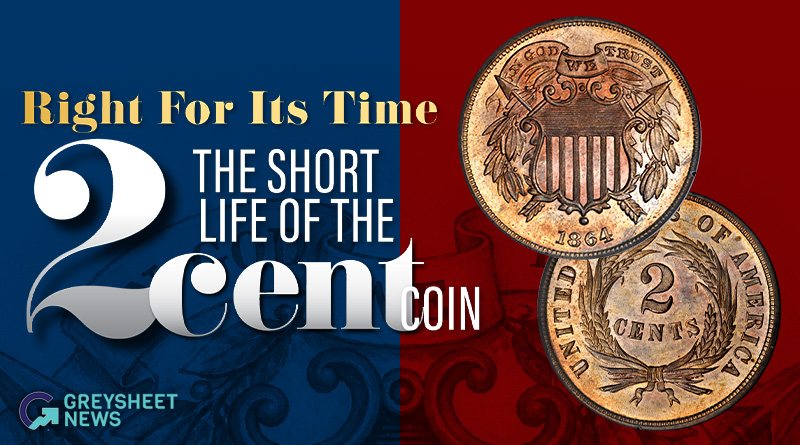
Right for its Time: The Short Life of the 2 Cent Coin
8/19/2026
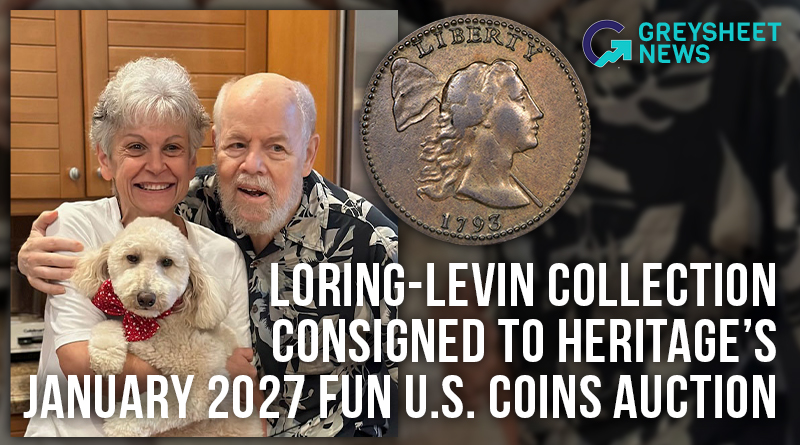
Loring-Levin Collection Consigned to Heritage's January 2027 FUN U.S. Coins Auction
Denis W. Loring was among Early American Coppers' Charter Members.
8/19/2026
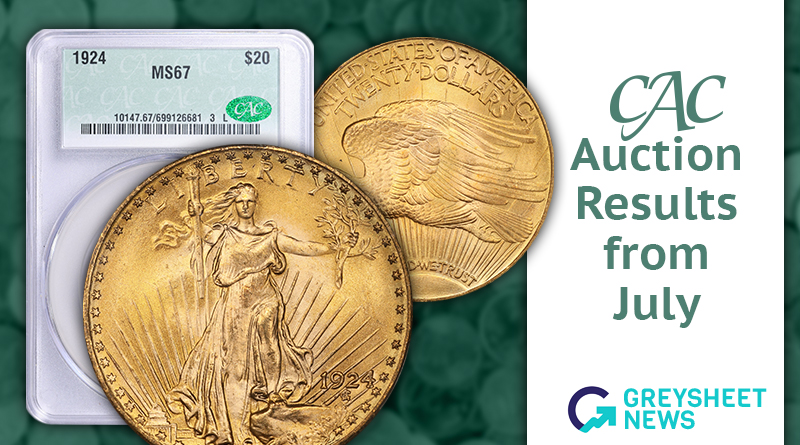
CAC Coins Bring Premiums in July 2026
CAC approved and CACG encapsulated coins fared well in public sales during the month of July 2026.
8/18/2026
Events
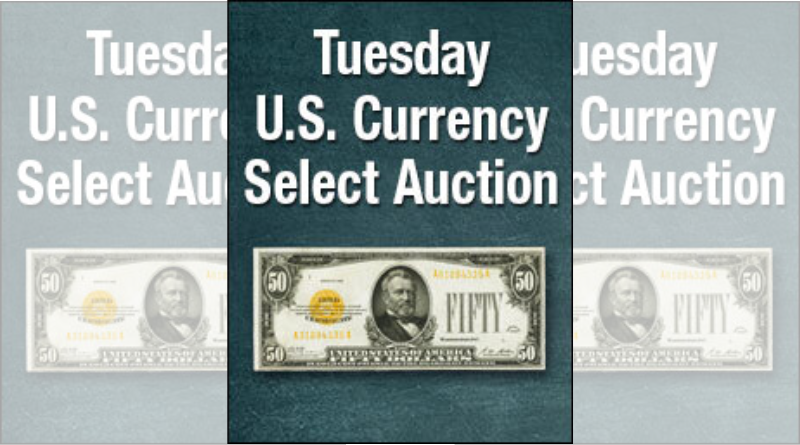
Heritage Auctions: US Currency Tuesday Select Auction
Location: Heritage Auctions
Tuesday, June 2, 2026
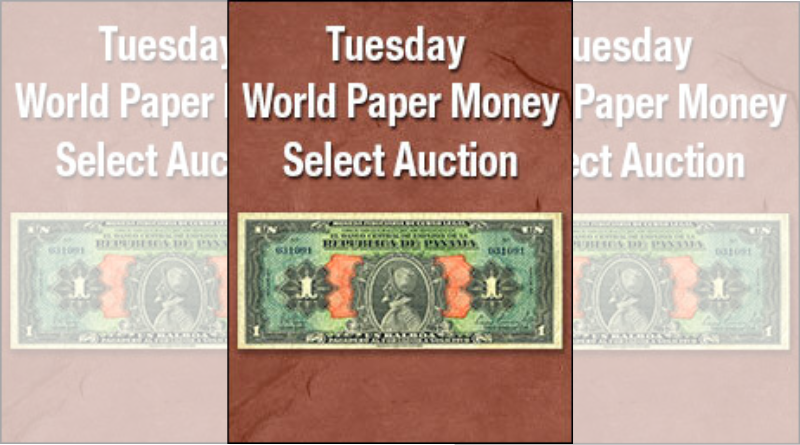
Heritage Auctions: World Paper Money Tuesday Select Auction
Location: Heritage Auctions
Tuesday, June 2, 2026
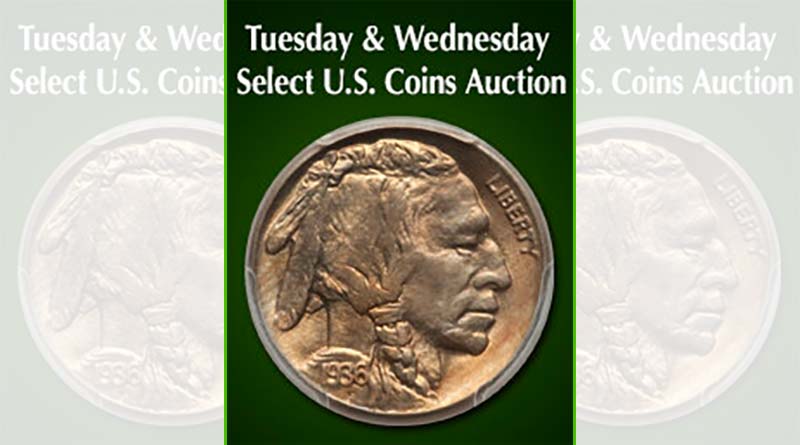
Heritage Auctions: US Coins Tuesday & Wednesday Select Auction
Location: Heritage Auctions
Wednesday, June 3, 2026